


- Phiên dịch ở Sơn Đông Trung Quốc 19/10/2019, 13:19
- Phiên dịch ở Giang Tô Trung Quốc 19/10/2019, 17:18
- Phiên dịch ở Chiết Giang Trung Quốc 19/10/2019, 17:20
- Phiên dịch ở Phúc Kiến 20/10/2019, 16:00
- Phiên dịch ở Quảng Đông 24/10/2019, 12:58
- Phiên dịch ở Hà Bắc Trung Quốc 13/11/2019, 15:28
- Phiên dịch Thượng Hải, thông dịch Thượng Hải 25/11/2019, 01:05
- Phiên dịch ở Trung Sơn, thông dịch khoá cửa và đèn LED 12/12/2019, 01:50
- Phiên dịch ở Thâm Quyến, thông dịch ngành khoa học công nghệ 12/12/2019, 15:05
- Phiên dịch ở Đông Quản, thông dịch máy móc công nghiệp 13/12/2019, 15:36
Chinese-English-Vietnamese Interpreter in Hanoi | Trade Exhibitions & Business Meetings
In the rapidly evolving economic landscape of Southeast Asia, Hanoi has solidified its position as a pivotal hub for commerce, manufacturing, and international trade. As the capital of Vietnam, it attracts thousands of foreign investors, business delegations, and exhibitors annually. However, doing business in Hanoi comes with a distinct set of challenges, primarily the language barrier. While English is widely spoken in the tourism sector, the nuances of industrial negotiations, legal contracts, and technical specifications often require a bridge that only a professional can provide.
This is where the role of a Chinese-English-Vietnamese interpreter in Hanoi becomes indispensable. Whether you are attending a massive trade exhibition at the I.C.E. Hanoi, negotiating a supply chain contract in a boardroom, or visiting a factory in the surrounding industrial zones, accurate communication is the difference between a successful deal and a costly misunderstanding.
The Strategic Importance of Hanoi for International Business
Hanoi is no longer just a cultural destination; it is the economic heart of Northern Vietnam. The city is the gateway to major industrial hubs like Bac Ninh, Hai Phong, and Vinh Phuc, which are home to tech giants like Samsung, Foxconn, and numerous automotive and textile manufacturers.
For Chinese and English-speaking investors, the ability to communicate directly with local suppliers, government officials, and partners is critical. However, the linguistic landscape here is complex:
1. Vietnamese: The official language, characterized by six tones and complex grammar.
2. English: The primary language of international business, but proficiency varies drastically in the local workforce.
3. Chinese: With the proximity to China and the influx of Chinese investment, Mandarin is becoming increasingly vital.
If your business strategy involves all three of these languages, you need a trilingual specialist. A generic translator simply translates words; a Chinese-English-Vietnamese interpreter in Hanoi interprets intent, cultural context, and business etiquette.
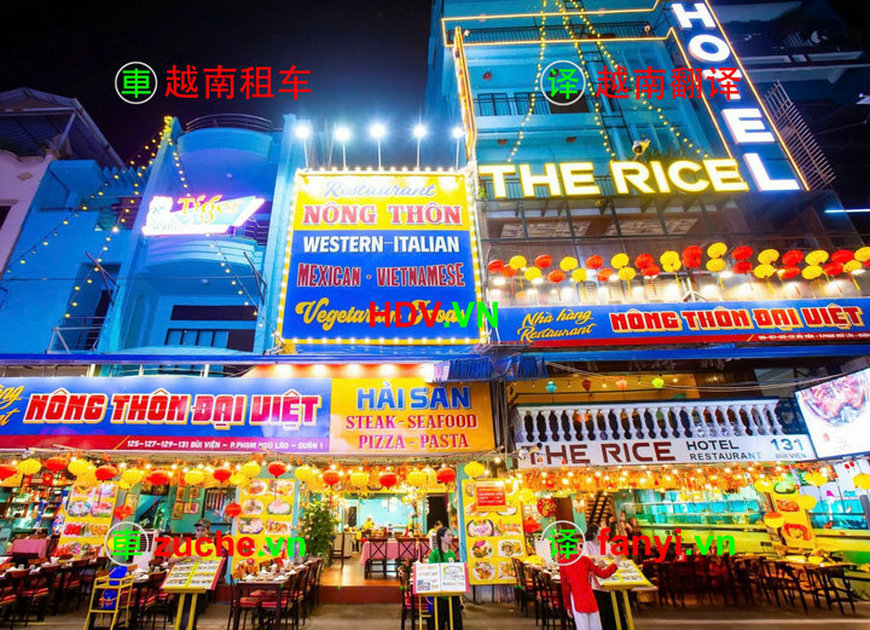
Why You Need a Professional Chinese-English-Vietnamese Interpreter
Many companies try to cut costs by using bilingual staff or digital translation apps. While convenient, these methods often fall short in high-stakes environments. Here is why you should consider hiring a professional:
1. The Trilingual Triangle
A specialized interpreter who speaks Chinese, English, and Vietnamese is a rare asset. They can facilitate a three-way conversation seamlessly. For instance, an investor from Hong Kong (speaking English) talking to a local manufacturer (speaking Vietnamese) who sources parts from China (speaking Mandarin). A standard translator would struggle to keep up, but a trilingual interpreter can switch codes and contexts effortlessly.
2. Cultural Nuance and Etiquette
Vietnam and China share a border and a long history, yet their business cultures are distinct. Similarly, Western (English-speaking) business practices differ significantly from Asian ones. A professional Hanoi business interpreter doesn't just translate; they advise you on hierarchy, gift-giving, "saving face," and the indirect way locals might refuse an offer. They ensure you don't accidentally offend your hosts.
3. Technical Expertise
Hanoi's trade exhibitions and business meetings often involve specific sectors: heavy machinery, medical equipment, IT software, or agriculture. A professional interpreter understands industry-specific jargon. They know the difference between a "pump" and a "valve" in Vietnamese, and they can accurately interpret legal clauses to protect your interests.
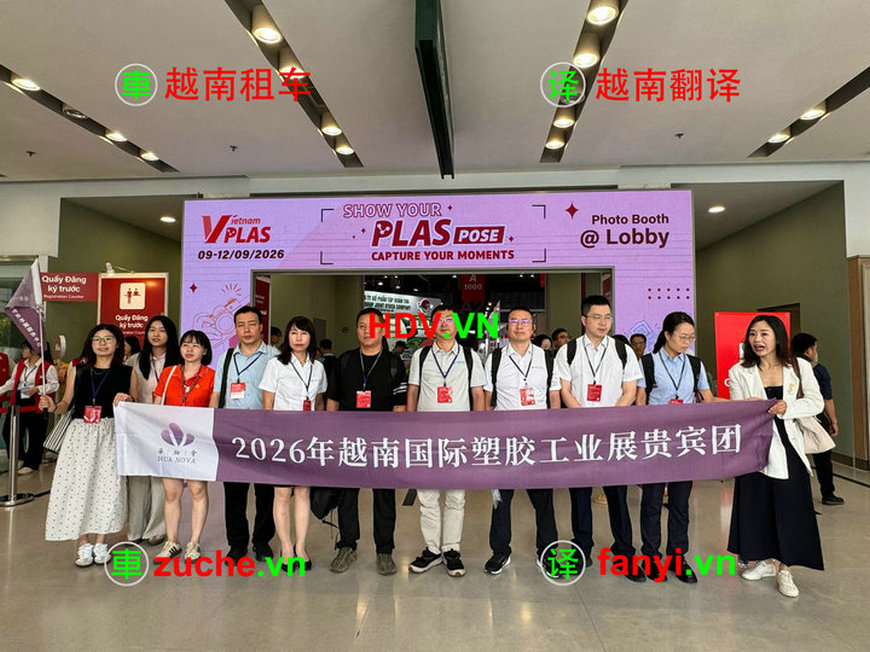
Navigating Trade Exhibitions in Hanoi
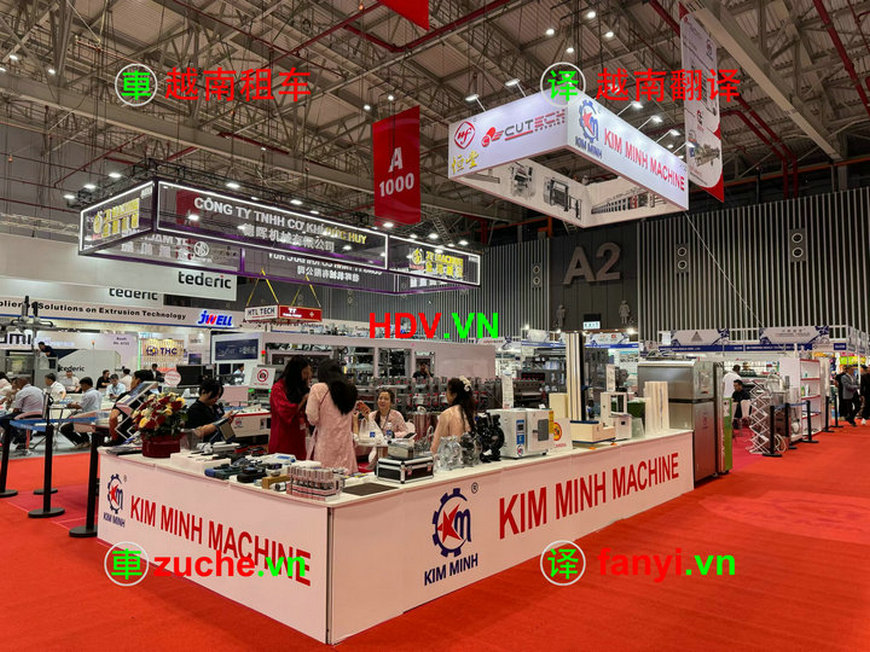
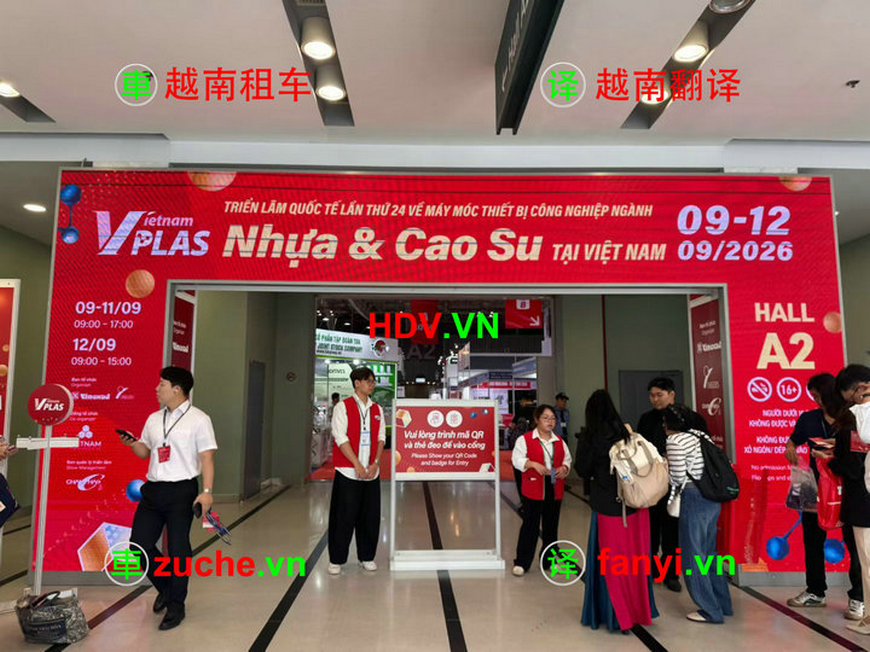
Hanoi hosts numerous trade exhibitions annually, attracting exhibitors and buyers from around the globe. Notable venues include the Vietnam Exhibition Fair Centre (VEFAC) and the International Center for Exhibition (I.C.E. Hanoi) . Key events often focus on textiles, agriculture, machinery, and technology.
The Challenges of Exhibition Interpretation
Trade shows are chaotic. They are noisy, fast-paced, and require immediate responses. This is where a Hanoi exhibition interpreter shines. Here is how they solve the problems of searchers looking for help:
· Booth Management: An interpreter at your booth can attract attendees who speak Vietnamese or Chinese. They can quickly explain your product features and pricing, acting as a salesperson rather than just a translator.
· B2B Matchmaking: Exhibitions often involve scheduled meetings. An interpreter facilitates the small talk, the negotiation of sample prices, and the exchange of contact details.
· Crisis Management: If a product malfunctions or a misunderstanding occurs, the interpreter can quickly de-escalate the situation and clarify the technical issues.
Case Study: The Industrial Machinery Expo
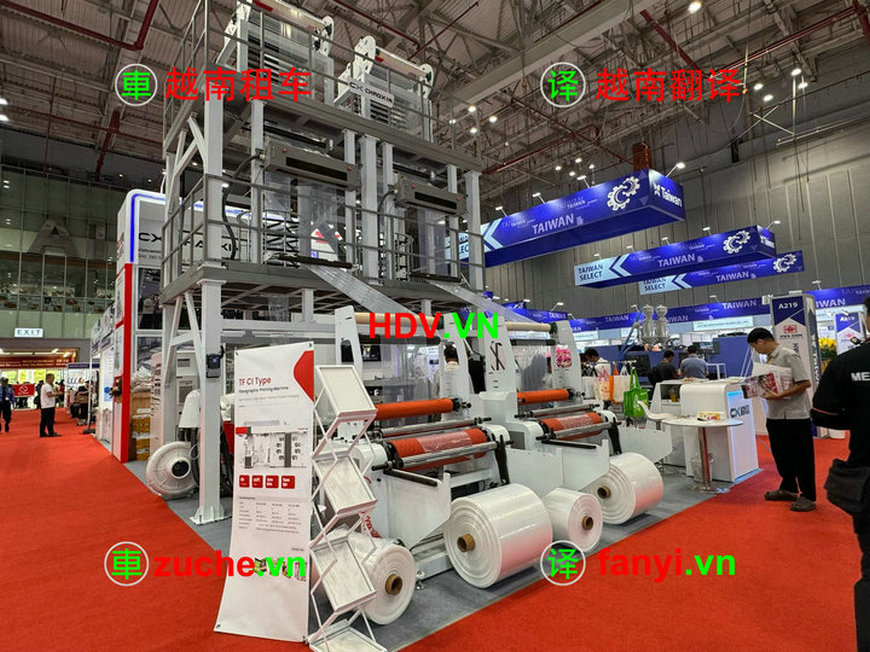
Imagine you are an English-speaking manufacturer exhibiting at a Hanoi machinery expo. A Vietnamese factory owner approaches, but they are accompanied by a Chinese engineer. You need to explain the machine's safety protocols to both. A Chinese-English-Vietnamese interpretation in Hanoi service allows for a single interpreter to manage the entire conversation, ensuring the buyer and the engineer leave with the same understanding. This efficiency can save thousands of dollars in potential liability later.
Interpreting for Business Meetings and Negotiations
Beyond the exhibition floor, the most critical work happens in private meeting rooms. Hanoi is a city where relationships are key. A "dry" business meeting is unlikely to succeed. You need an interpreter who helps build rapport.
Boardroom Negotiations
When you hire an interpreter in Hanoi for a negotiation, you are getting a negotiator in their own right. They help you read the room. They pick up on non-verbal cues—a hesitation, a frown, a glance between the Vietnamese delegates—and adapt your message accordingly.
Factory Audits and Site Visits
If you are sourcing from Vietnam, you likely need to visit factories in the Red River Delta. These visits involve technical discussions with engineers, HR policies with managers, and compliance checks with QC teams. An interpreter ensures that when you say "compliance," the local team understands the specific international standard you are referencing, not just the Vietnamese equivalent.
Legal and Financial Documentation
While interpreting is verbal, it often overlaps with written translation. A professional Hanoi interpretation company usually offers accompanying translation services for contracts, NDAs, and financial reports. Having one service provider handle both ensures consistency in terminology. If the contract says "Indemnity" in English, the interpreter will know exactly which Vietnamese legal term applies during the discussion.
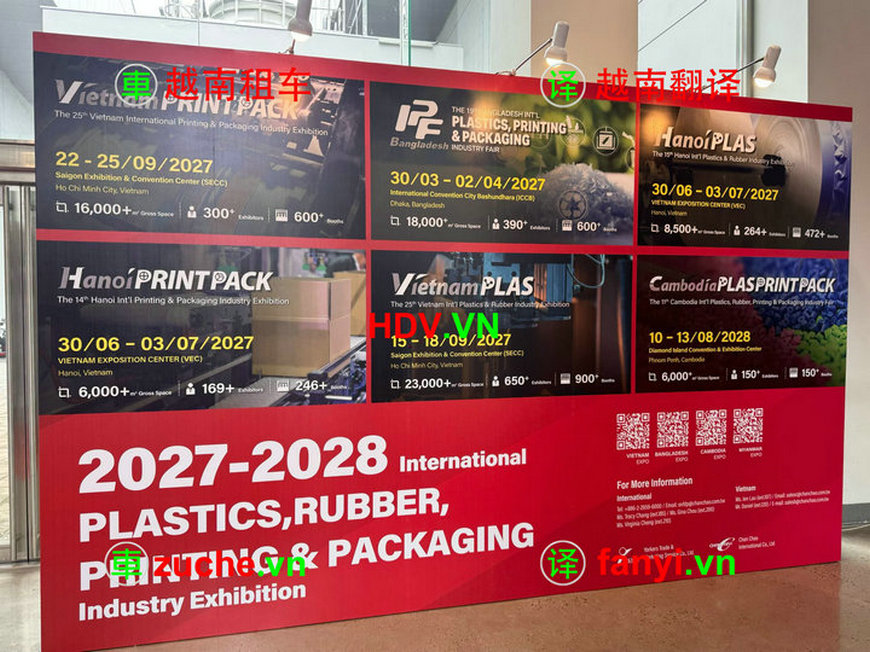
How to Find an Interpreter in Hanoi
The search for a reliable interpreter can be daunting. The market is flooded with freelancers, students, and unverified agencies. To ensure you get a high-quality Chinese-English-Vietnamese interpreter in Hanoi, you need to know where to look and what to ask.
1. Specialized Language Agencies
The safest route is to contact a Hanoi translation agency that specializes in B2B services. These agencies vet their interpreters for language proficiency, professional demeanor, and business acumen. They also provide backup interpreters in case of emergencies (illness, traffic jams).
2. What to Look For
When you find an interpreter in Hanoi, verify the following:
· Certifications: Do they have a degree in language or interpretation? Are they certified by a local authority?
· Experience: Have they worked in your specific industry before? (e.g., medical vs. IT)
· Confidentiality: Are they willing to sign a non-disclosure agreement (NDA)?
· Trilingual Proficiency: If you specifically need a Chinese-English-Vietnamese interpreter, test them. Ask them to interpret a complex sentence from English to Chinese, then to Vietnamese.
The Cost of Hiring an Interpreter
Budgeting is a major concern for businesses. The cost of interpretation in Hanoi varies based on the language pair, the industry's technicality, and the duration of the assignment.
· Freelancers: Generally cheaper but riskier. They may lack the stamina for a full-day exhibition or the professionalism for a boardroom meeting.
· Professional Agencies: While the hourly rate is higher, the quality is superior. A Hanoi interpretation company manages logistics, travel, and food for the interpreter, allowing you to focus on your business.
When you compare the cost of an interpreter to the cost of a botched negotiation or a lost contract due to miscommunication, the investment is negligible.
Why Choose a Local Hanoi Agency?
You might be tempted to hire an interpreter from Ho Chi Minh City or even fly one in from China. Here is why choosing local is better:
1. Logistics: A local interpreter in Hanoi knows the city's traffic patterns. They know how long it takes to get from the Old Quarter to the Exhibition Center. They arrive early and prepared.
2. Networking: Local agencies often have contacts with local government officials (for permissions) or other vendors. They can provide insights into the local market.
3. Cost-Effectiveness: You won't have to pay for flights and hotel accommodation for an interpreter flying in from another city.
Solving the Problems of Searchers: A Deep Dive
Why are users searching for these specific terms? Let’s break down the intent behind the keywords:
"Chinese-English-Vietnamese interpreter in Hanoi"
The user is likely a business owner or project manager from a Chinese company with English-speaking partners, or a Western company sourcing from Chinese-owned factories in Vietnam. They have a complex meeting where both English and Chinese are used alongside Vietnamese. They need a "unicorn" interpreter—someone who can handle all three languages fluently. This article solves their problem by explaining that such professionals exist and are found through specialized agencies, not just random freelancers.
"Hanoi interpretation company"
This user is looking for a corporate partner. They want an entity that can issue invoices, sign contracts, and provide vetted staff. They are risk-averse and value reliability over the lowest price. This article addresses this by highlighting the importance of agencies for logistics and NDA compliance.
"Hire an interpreter in Hanoi"
This is a transactional search. The user is ready to book. They need to know how to hire and who to contact. We provide the criteria (certifications, experience) and the method (contacting agencies).
"Find an interpreter in Hanoi"
This implies a search for availability. The user might have an urgent meeting. The article solves this by providing a guide on what to check to ensure quality even in a rush.
"Hanoi business interpreter"
This user needs more than language; they need etiquette. They might be worried about "saving face" or cultural faux pas. The article solves this by emphasizing the cultural advisory role of the interpreter.
"Hanoi exhibition interpreter"
The user is likely an exhibitor planning for an upcoming trade show. They are overwhelmed by logistics. The article solves this by explaining the dual role of the interpreter as a booth salesperson and a logistic navigator.
"Hanoi translation agency"
This user might need both written translation and verbal interpretation. They are likely looking for a one-stop-shop. The article bridges the gap between translation and interpretation.
Practical Tips for Working with an Interpreter
To get the most out of your Hanoi business interpreter, follow these best practices:
1. Brief the Interpreter: Don't expect them to know your business instantly. Send them agendas, PowerPoint decks, and company background materials 24 hours in advance.
2. Speak Directly: Look at the client, not the interpreter, when you speak. The interpreter is the bridge, not the destination.
3. Avoid Jargon: Unless you have briefed the interpreter on specific acronyms, try to avoid heavy slang or industry-specific abbreviations.
4. Keep It Short: Be concise. Long, rambling sentences are hard to interpret accurately. Pause frequently to allow for interpretation.
5. Watch the Body Language: Even if you are speaking through an interpreter, your body language and tone of voice account for a large percentage of the message.
The Future of Interpretation: AI vs. Human
In an era of AI and ChatGPT, why do you still need a human interpreter?
AI tools like Google Translate are excellent for basic survival travel, but they fail in business for several reasons:
· Contextual Errors: AI cannot read the room. It cannot detect sarcasm, hesitation, or cultural irony.
· Technical Vocabulary: While AI databases are large, they often hallucinate technical terms. A human expert knows the exact term used in the Hanoi industrial park.
· Trust and Face: Using a smartphone to talk to a potential partner in a Hanoi boardroom can be seen as unprofessional and disrespectful. A human interpreter shows commitment and respect for the relationship.
Conclusion: Don't Let Language Be Your Barrier in Hanoi
Hanoi is a city of opportunity. It is a city that respects effort and personal connection. By bringing in a professional Chinese-English-Vietnamese interpreter in Hanoi, you demonstrate that you are serious about your business and respect your partners enough to communicate clearly.
Whether you are navigating the noisy aisles of a trade fair, conducting a tense contract negotiation, or simply looking to build a relationship over a cup of Vietnamese coffee, a professional interpreter will ensure your voice is heard, understood, and respected.
When you are ready to expand your business in Vietnam, do not leave communication to chance. Seek out a reputable Hanoi translation agency or specialized Hanoi interpretation company to secure the best talent. Your success in this dynamic market depends on it.
Các tin khác


邮件联系

越南翻译, 专业翻译!

Zalo

微信
联系方式
888 Bạch Vân Bắc, khu Bạch Vân, Quảng Châu, Trung Quốc.
Copyright © 2000-2026 phiendich.com


