


- 越南翻译,越南商务,考察市场及旅游 20/08/2019, 16:40
- Vi vu Quảng Châu, Shopping Quảng Châu 11/10/2019, 00:14
- Vi vu Thượng Hải, Vô Tích 25/10/2019, 14:57
- Vi vu Bắc Kinh, phiên dịch kiêm hướng dẫn viên tại Bắc Kinh 06/11/2019, 18:00
- Phiên dịch, thông dịch ở Bắc Kinh, du lịch Bắc Kinh 01/12/2019, 14:42
- Phiên dịch, thông dịch ở Quảng Châu, đánh hàng Quảng Châu 03/12/2019, 16:05
- Phiên dịch ở Vân Nam Trung Quốc 08/12/2019, 12:53
- Phiên dịch tại Nghĩa Ô, Chiết Giang 14/12/2019, 11:52
- 越南翻译带你了解越南的榴莲 26/12/2019, 15:10
- Phiên dịch viên và những tai nạn nghề nghiệp 20/06/2020, 16:35
Hanoi Chinese-English-Vietnamese Interpreter | Exhibitions & Business Visits
In the dynamic economic landscape of Southeast Asia, Vietnam has emerged as a premier destination for manufacturing, trade, and foreign investment. At the heart of this economic surge is Hanoi, the capital city and a critical hub for diplomatic and commercial activity. For Chinese-speaking and English-speaking business professionals, the ability to navigate the local landscape is not just an advantage—it is a necessity.
Whether you are attending a massive trade exhibition at the Hanoi International Center for Exhibition (I.C.E.) or conducting a high-stakes factory visit in the industrial zones surrounding the capital, the language barrier can be your biggest obstacle. This is where the role of a professional Chinese-English-Vietnamese interpreter in Hanoi becomes indispensable.
This article serves as a comprehensive guide for business travelers, expats, and corporations seeking to bridge the communication gap. We will explore the nuances of the interpreting industry in Hanoi, how to prepare for exhibitions, the logistics of business visits, and how to hire an interpreter in Hanoi Vietnam who can seamlessly facilitate trilateral communication between Chinese, English, and Vietnamese.
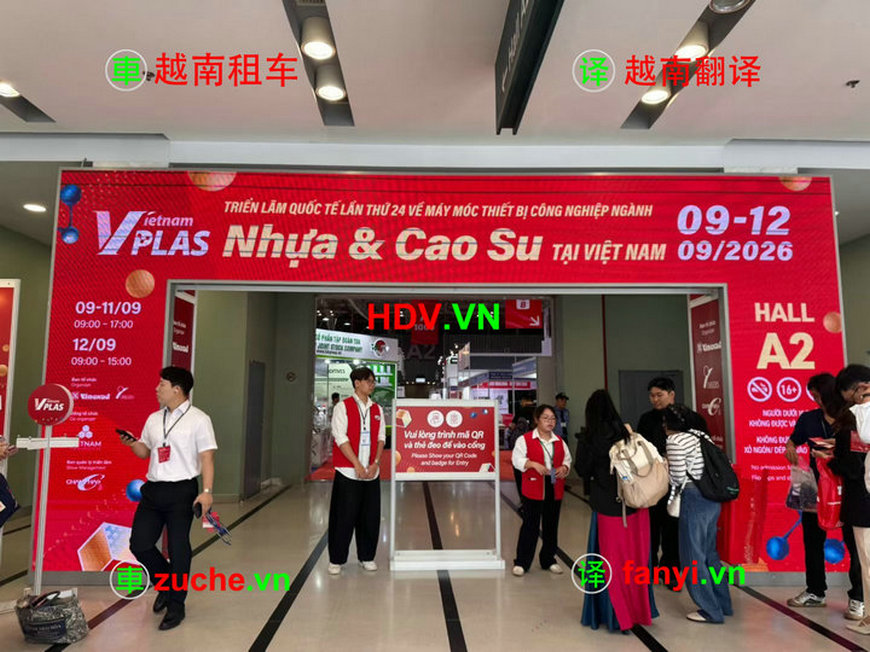
The Strategic Importance of Hanoi for Business
Before delving into the technicalities of interpretation, it is crucial to understand why Hanoi is the focal point for so many business missions. Hanoi is not just the political capital; it is a burgeoning economic powerhouse. It serves as the gateway to the Red River Delta, a region teeming with industrial parks and manufacturing facilities.
For Chinese investors, Vietnam represents a crucial link in the supply chain, often serving as a manufacturing base for electronics, textiles, and machinery. For Western and English-speaking investors, Hanoi is a market of 100 million consumers with a young, literate workforce.
However, doing business here is not as simple as speaking English. While many Vietnamese professionals in Hanoi are learning English, the proficiency level varies wildly. Furthermore, the local business culture is deeply rooted in relationships and nuanced communication. A generic translator app simply cannot capture the subtleties of a negotiation or the politeness required in a formal meeting.
This is why relying on a dedicated interpreter in Hanoi is the standard operating procedure for successful foreign entities.
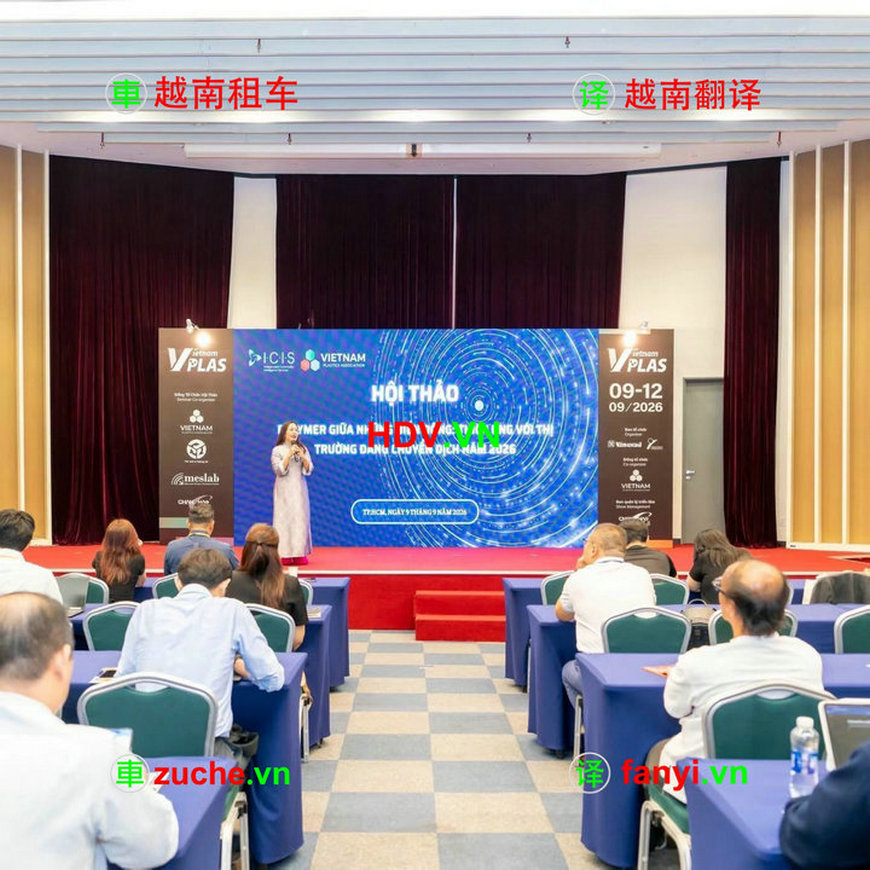
The Unique Challenge: Chinese-English-Vietnamese Trilateral Interpretation
The demand for a Chinese-English-Vietnamese interpreter in Hanoi is a unique phenomenon. Most interpreting markets focus on a binary language pair (e.g., English-Spanish or English-Japanese). However, Northern Vietnam shares a border with China, and the economic integration between the two countries is profound.
Many business delegations arriving in Hanoi consist of a mix of stakeholders: a Chinese manufacturer, an English-speaking global buyer, and a Vietnamese local supplier. In these scenarios, the interpreter acts as the central hub.
The Complexity of the Role
A trilateral interpreter does not simply translate English to Vietnamese. They must possess the mental agility to switch between three languages in real-time. This requires:
1. Cultural Competence: Understanding the business etiquette of all three cultures. For instance, understanding that "saving face" is critical in both Chinese and Vietnamese cultures, while English-speaking counterparts might prefer directness.
2. Technical Vocabulary: Whether the topic is heavy machinery, textiles, or software, the interpreter must know the terminology in all three languages.
3. Stamina: Trilateral interpretation is mentally exhausting. A high-quality Hanoi interpretation company will often assign two interpreters to rotate during long sessions to ensure consistent quality.
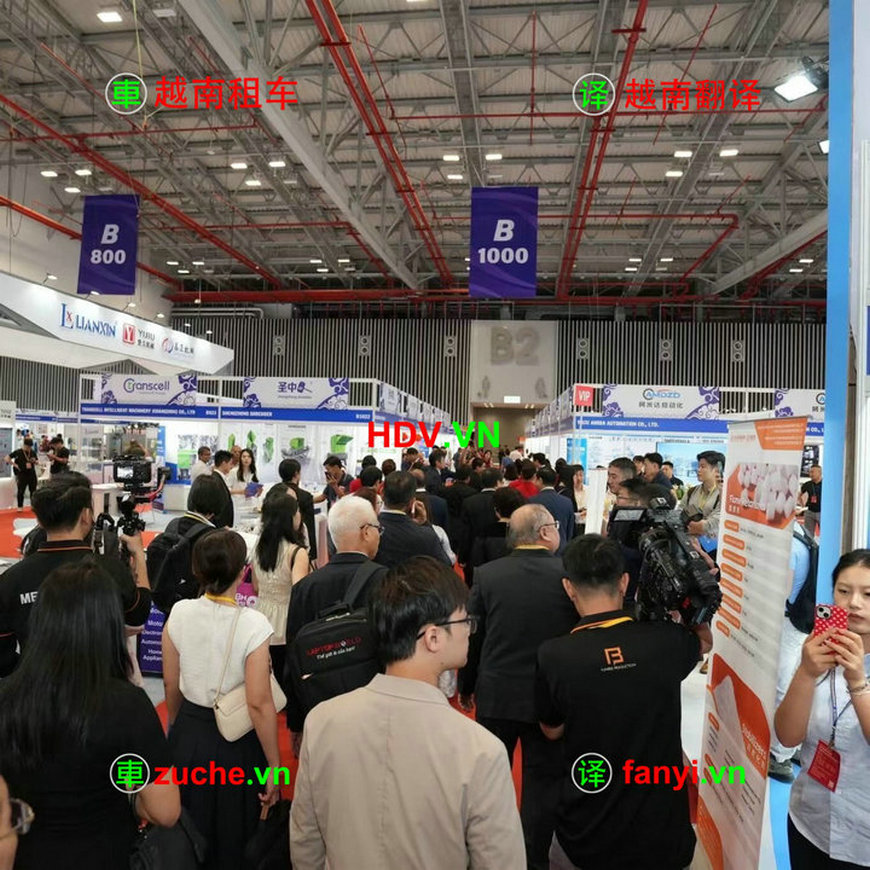
Navigating Exhibitions in Hanoi
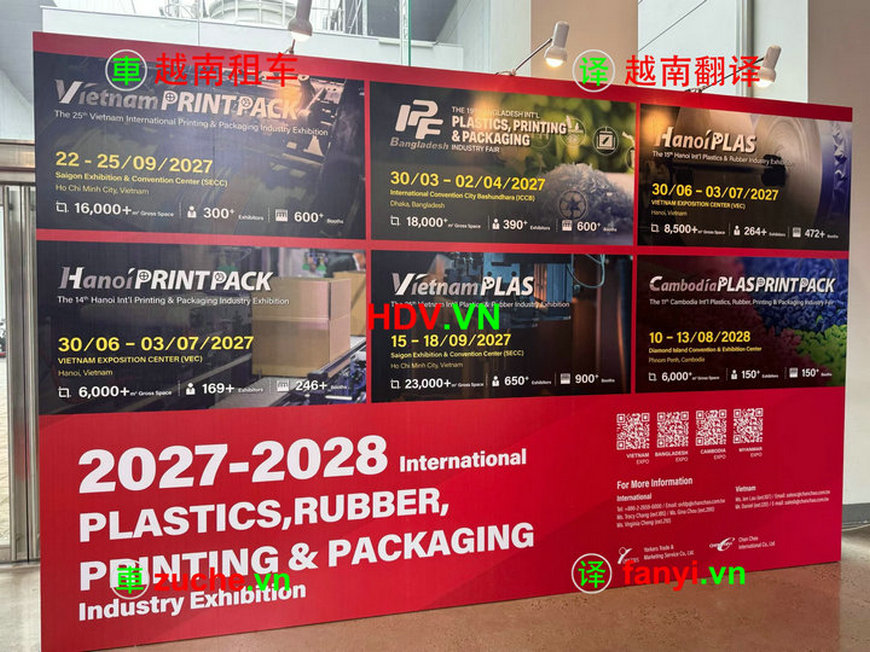
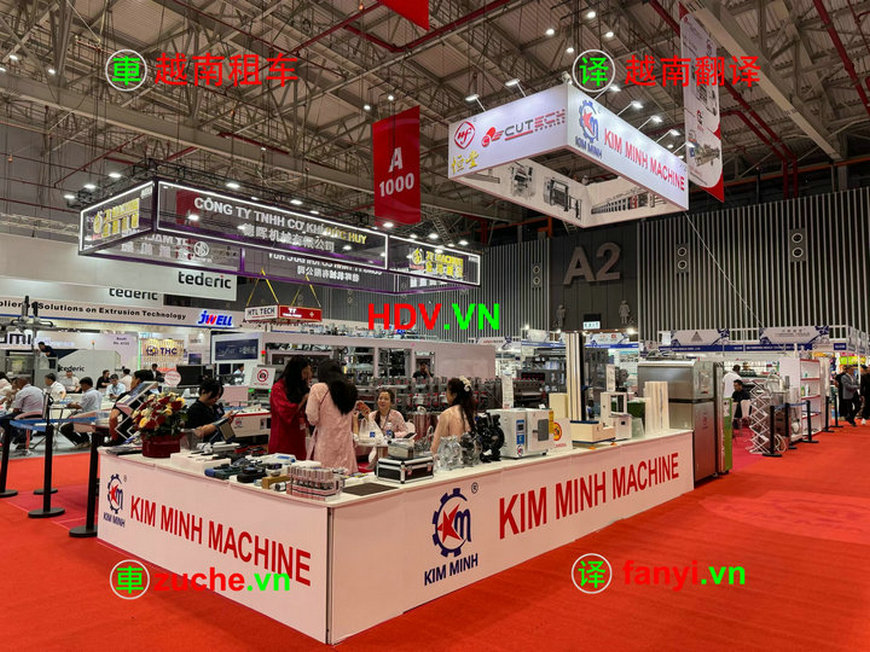
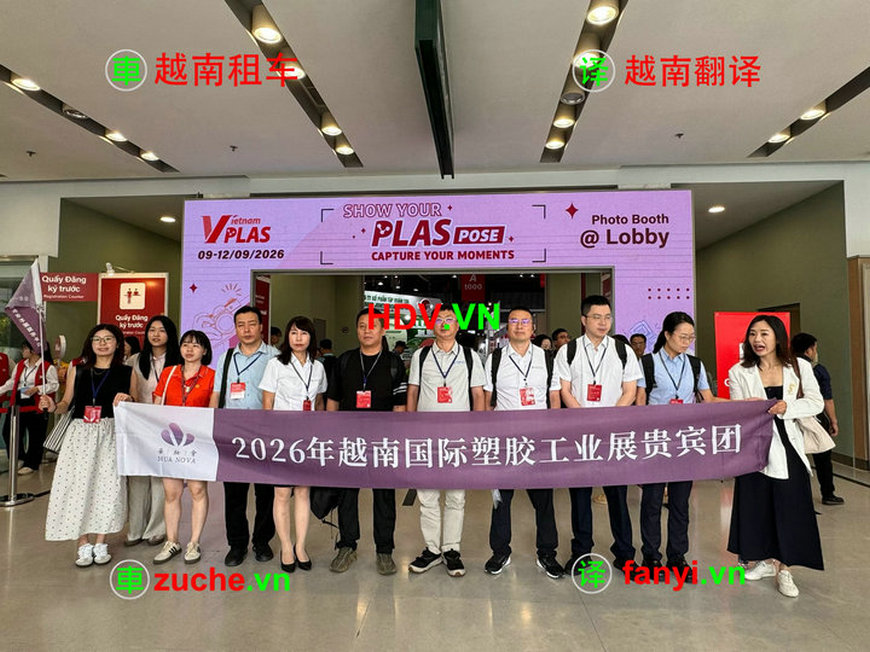
Hanoi hosts several major trade events annually, including the Vietnam International Trade Fair (VIETNAM EXPO) and various specialized exhibitions for agriculture, manufacturing, and technology. Attending these events without a linguistic guide is like walking through a maze blindfolded.
Why You Need a Professional Interpreter at Exhibitions
At a trade show, time is money. You have three days to meet dozens of suppliers or buyers. Here is how a professional interpreter solves specific problems:
· Booth Navigation: An interpreter helps you identify which booths are worth visiting and can read the Vietnamese signage to identify specific product categories.
· Instant Qualification: When you meet a vendor, the interpreter can quickly ask qualifying questions about their production capacity, certifications, and pricing, saving you from wasting time on unqualified leads.
· Cultural Bridging: They will help you exchange business cards correctly and initiate conversations with the right level of formality.
Hiring for the "Exhibition Context"
When you find an interpreter in Hanoi for an exhibition, you must brief them thoroughly. A professional interpreter from a reputable Hanoi interpretation company will ask for the exhibitor list, the catalog of products you are looking for, and your business goals. They are not just translating words; they are your sales representative and negotiator.
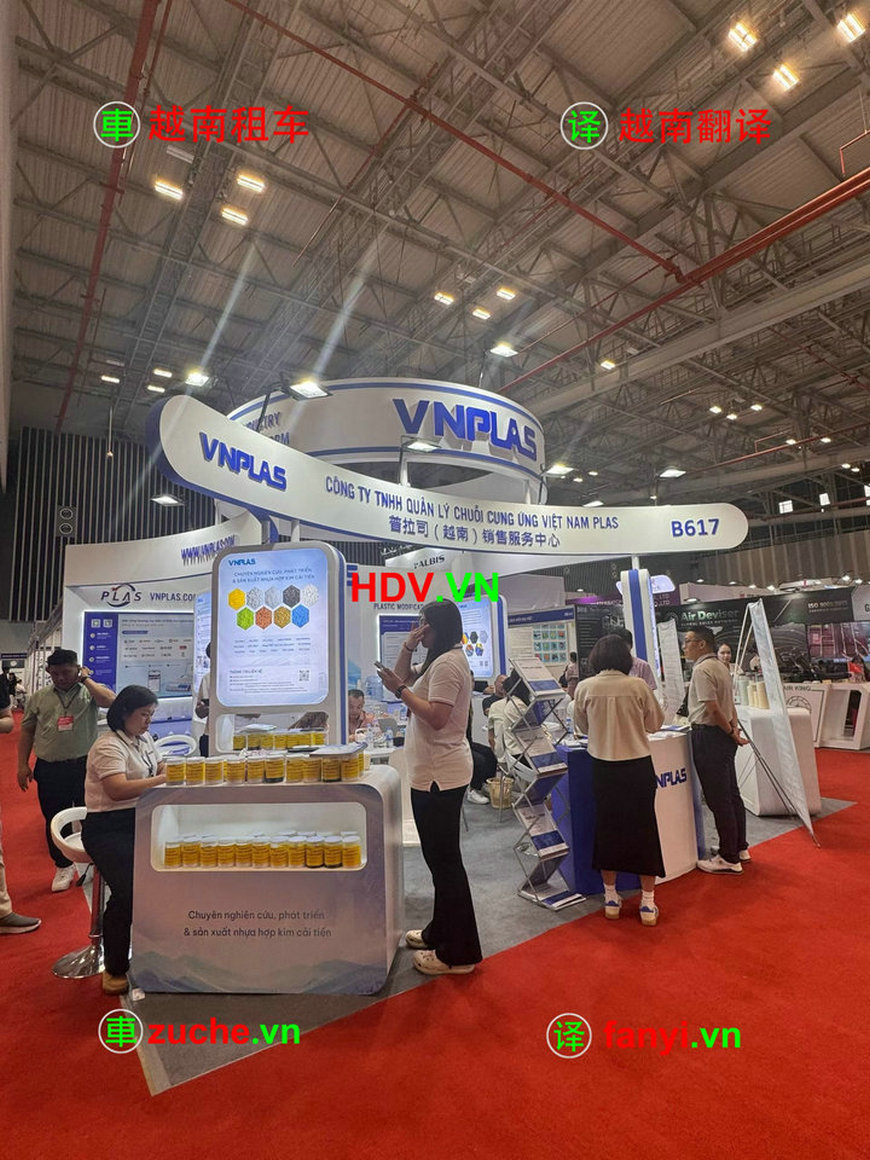
Mastering Business Visits and Factory Tours
Beyond the exhibition halls, the real work happens in boardrooms and on factory floors. Business visits in Hanoi often extend to neighboring provinces like Bac Ninh, Hai Phong, or Vinh Phuc, where large industrial parks are located.
The Factory Floor Challenge
Factory visits present a unique acoustic and technical challenge. The noise level is high, and the technical terms are specific. A standard interpreter might struggle, but a specialized Chinese-English-Vietnamese interpretation in Hanoi service provider will prepare by studying the client's technical specifications in advance.
For example, if you are visiting a garment factory, the interpreter needs to know the difference between "weft" and "warp" knitting, or how to describe "quality control" metrics in both Vietnamese and Chinese.
Logistics and Travel
When you hire an interpreter in Hanoi Vietnam for a multi-day business trip, you are also hiring a logistics coordinator. They can help you:
· Communicate with drivers and hotel staff.
· Order local cuisine (an important part of relationship building).
· Navigate local customs, such as the etiquette of gift-giving or the dynamics of drinking during business dinners.
How to Choose the Right Interpreter or Agency
With the growing demand for interpretation services, the market in Hanoi has become saturated with freelancers and agencies. However, quality varies significantly. How do you ensure you are hiring a top-tier professional?
1. Experience and Credentials
Look for an interpreter who has specific experience in your industry. A general conversational interpreter is fine for tourism, but for business, you need someone who understands contracts, negotiation tactics, and technical jargon.
2. The "Three-Language" Verification
If you specifically need a Chinese-English-Vietnamese interpreter in Hanoi, test their skills in all three languages. A common issue is finding someone who speaks English and Vietnamese well, but their Chinese is weak (or vice versa). A professional agency will pre-vet these skills so you don't have to.
3. Local Knowledge
An interpreter in Hanoi must know the city and the country. They should know how to navigate the Old Quarter traffic, which government offices are where, and how to avoid cultural faux pas.
4. Use a Reputable Agency vs. Freelancers
While hiring a freelancer might seem cheaper, the risk is higher. If a freelancer falls ill or cancels last minute, your business meeting is ruined. A professional Hanoi interpretation company offers reliability. They have a bench of interpreters and can provide a replacement immediately if an emergency occurs.
The "AI vs. Human" Factor
In an era where Google Translate and AI tools like ChatGPT are prevalent, why hire a human interpreter?
The answer is simple: Trust and Nuance.
AI can translate words, but it cannot close a deal. In a business meeting, body language, tone of voice, and the ability to "read the room" are critical. A human interpreter knows when to soften a demand, when to push for a better price, and how to navigate the unspoken rules of negotiation.
Furthermore, when you hire an interpreter in Hanoi Vietnam for a formal dinner or a factory walk-through, you are paying for real-time problem-solving that AI cannot provide.
Preparation: Getting the Most Out of Your Interpreter
To maximize the value of your interpretation service, you must prepare your interpreter thoroughly. This is a partnership. Here is a checklist for preparation:
1. Provide Background Materials: Share your company profile, product catalogs, meeting agendas, and any technical data at least 3 days in advance.
2. Define Terminology: If you use specific acronyms or unique product names, create a glossary.
3. Set Objectives: Tell the interpreter what the goal of the trip is. Is it to sign a contract? To inspect quality? To gather market intelligence? This changes how they interpret and what they pay attention to.
4. Cultural Briefing: Ask the interpreter to brief you on the local culture of the specific region you are visiting.
Why a Local Hanoi Interpreter is Better Than Flying One In
Some companies consider bringing their own interpreter from their home country. While this has some benefits (familiarity with the company), it is often a mistake. Here is why:
· Local Knowledge: A local interpreter knows the context. They understand the reference points of the local businesspeople.
· Cost-Efficiency: Hiring a local interpreter in Hanoi is significantly cheaper than paying for travel, accommodation, and per diems for a staff member from abroad.
· Objectivity: A local interpreter from a Hanoi interpretation company provides an objective, third-party perspective that a company insider might lack.
· Flexibility: If your schedule changes (e.g., you need to visit an extra supplier), a local interpreter is flexible and available.
The Role of English in the Hanoi Market
While English is the lingua franca of global business, in Hanoi, it is often the bridge language. You might have a Chinese supplier and a Vietnamese buyer, and they both speak limited English.
In this case, the interpreter acts as the pivot. They might listen to the Chinese supplier, translate it into English for the Vietnamese buyer (if the buyer prefers English) or translate it into Vietnamese. The ability to seamlessly manage this flow is the hallmark of a professional Chinese-English-Vietnamese interpretation in Hanoi specialist.
Case Study: A Successful Exhibition Campaign
To illustrate the value of a professional service, consider this scenario:
A European electronics company arrives in Hanoi for a trade show. They manufacture components and want to find a Vietnamese assembly partner. They speak English. They meet a potential partner, a Vietnamese company that sources raw materials from China.
Without a Chinese-English-Vietnamese interpreter in Hanoi, the conversation is stuttering. The Vietnamese company's technical team speaks Chinese to read the manuals from their Chinese suppliers, but the management speaks English. The European company cannot communicate effectively.
By hiring a trilateral interpreter, the European company can:
1. Verify the Vietnamese company’s technical capabilities by understanding their setup with Chinese suppliers.
2. Negotiate pricing effectively, leveraging the interpreter's cultural understanding.
3. Close a deal in hours rather than days.
This is the power of professional interpretation.
The Future of Interpretation in Hanoi
As Vietnam's economy continues to integrate with the global market—and specifically with China and the West—the demand for high-level interpreting will only grow. Hanoi is becoming a tech hub, moving from simple garment manufacturing to high-tech electronics and IT services.
This means interpreters must specialize. We are seeing a rise in demand for Hanoi interpretation companies that specialize in specific sectors:
· Legal Interpretation: For contract negotiations and intellectual property.
· Medical Interpretation: For medical tourism and equipment acquisition.
· Technical Interpretation: For engineering and manufacturing projects.
How to Get Started
If you are planning a trip to Hanoi, do not wait until you arrive to look for a translator. The best interpreters are booked well in advance, especially during peak trade show seasons (typically April-May and October-November).
Here is your action plan:
1. Define Your Needs: Determine the dates, the number of participants, and the technical level required.
2. Search for Quality: Look for "Hanoi interpretation company" or "Hanoi translator" online. Look for reviews and case studies.
3. Request a Quote: A good agency will ask for your itinerary and materials before quoting. They should be transparent about their pricing (daily rates, travel expenses, etc.).
4. Interview the Interpreter: If possible, have a quick call with the proposed interpreter to check their voice quality, pronunciation, and understanding of your industry.
Conclusion
The success of your business in Vietnam hinges on communication. In a country where relationships are paramount and language barriers can cause costly misunderstandings, the investment in a professional interpreter is the most valuable line item in your travel budget.
Whether you need to find an interpreter in Hanoi for a high-pressure negotiation, or you need a skilled Chinese-English-Vietnamese interpreter in Hanoi to facilitate a complex factory inspection, choosing the right partner is key. A professional Hanoi interpretation company does more than translate; it enables your business to speak the language of success.
By ensuring clear, accurate, and culturally sensitive communication, you can unlock the potential of the Vietnamese market and build lasting, profitable relationships. Don't let a language gap hold your business back. Secure the services of a professional interpreter today and navigate Hanoi with confidence.
Frequently Asked Questions (FAQ)
1. What is the difference between translation and interpretation?
Translation refers to written text (documents, manuals). Interpretation refers to spoken language (meetings, speeches). When you hire an interpreter, you are getting a real-time oral service.
2. How much does it cost to hire an interpreter in Hanoi?
Costs vary based on the interpreter's experience, the language combination (trilateral is often more expensive than binary), and the duration. It is best to request a customized quote from a Hanoi interpretation company.
3. Can you help with interpreting for technical factory visits?
Yes, reputable agencies have interpreters with engineering backgrounds. It is crucial to provide technical documents in advance so the interpreter can prepare.
4. Do interpreters accompany clients to other provinces?
Yes, interpreters can travel to industrial zones in Bac Ninh, Hai Phong, and other provinces. Usually, the client covers transportation and accommodation costs for the interpreter.
5. Why do I need a Chinese-English-Vietnamese interpreter instead of two separate interpreters?
A single trilateral interpreter can facilitate seamless communication between three parties without the time lag of double translation. It is more efficient for meetings involving parties from all three linguistic backgrounds.
Các tin khác


邮件联系

越南翻译, 专业翻译!

Zalo

微信
联系方式
888 Bạch Vân Bắc, khu Bạch Vân, Quảng Châu, Trung Quốc.
Copyright © 2000-2026 phiendich.com


