Ho Chi Minh Chinese-English-Vietnamese Interpreter for Factory Visits & Business Meetings

In the dynamic economic landscape of Southeast Asia, Vietnam has emerged as a premier destination for foreign direct investment (FDI). At the heart of this economic boom is Ho Chi Minh City (HCMC), a bustling metropolis that serves as the commercial capital of the country. For international companies—particularly those from China, Taiwan, Hong Kong, Singapore, and the West—HCMC is not just a market; it is a manufacturing hub.
However, navigating this market requires more than just capital; it requires flawless communication. Whether you are conducting a rigorous audit of a manufacturing plant in Saigon Hi-Tech Park, negotiating a merger in District 1, or sourcing goods in Binh Duong, the language barrier can be the single biggest obstacle to success.
This is where the role of a Chinese-English-Vietnamese interpreter in Ho Chi Minh becomes indispensable. This article serves as a comprehensive guide for business professionals seeking top-tier interpretation services, explaining why the synergy of these three languages is critical for success in factory visits and business meetings, and how to hire the right talent.
The Unique Economic Synergy: Why Three Languages Matter
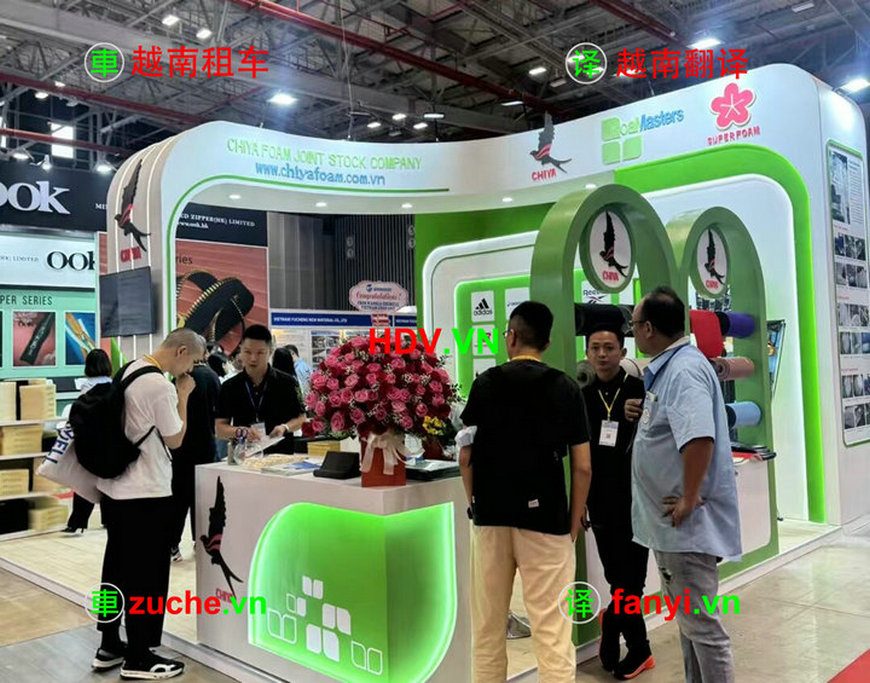
The supply chain in Asia is deeply integrated. It is highly common for a Western company (English-speaking) to source components from Taiwan or China (Chinese-speaking) that are assembled in Vietnam (Vietnamese-speaking). This creates a "Trilingual Triangle."
In a standard business meeting in HCMC, you might have a stakeholder from the US headquarters, a supplier from Shenzhen, and a local Vietnamese factory director. Relying on a standard two-way translation (e.g., Vietnamese to English) is often insufficient and prone to "telephone game" errors. You need a professional who can seamlessly pivot between Chinese, English, and Vietnamese.
The Problem with Monolingual or Bilingual Interpretation
If you hire an interpreter in Ho Chi Minh City who only speaks English and Vietnamese, and the Chinese partner speaks only Mandarin, you are forced to use a relay (Chinese -> English -> Vietnamese). Each relay doubles the risk of nuance loss, technical error, and time delay.
A Chinese-English-Vietnamese interpreter in Ho Chi Minh eliminates this friction. They can facilitate direct communication, clarify cultural nuances between the Chinese and Vietnamese parties, and ensure the Western party fully understands the technical specifications being discussed.
Part 1: The Crucial Role in Factory Visits
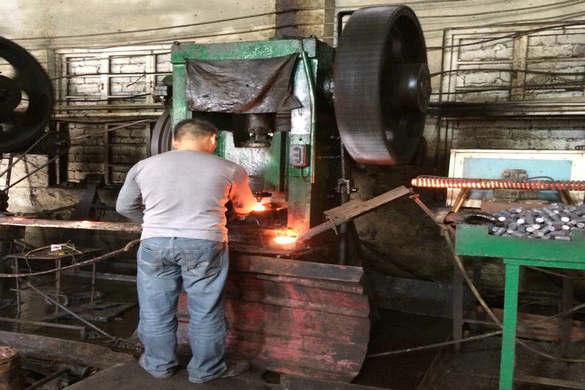
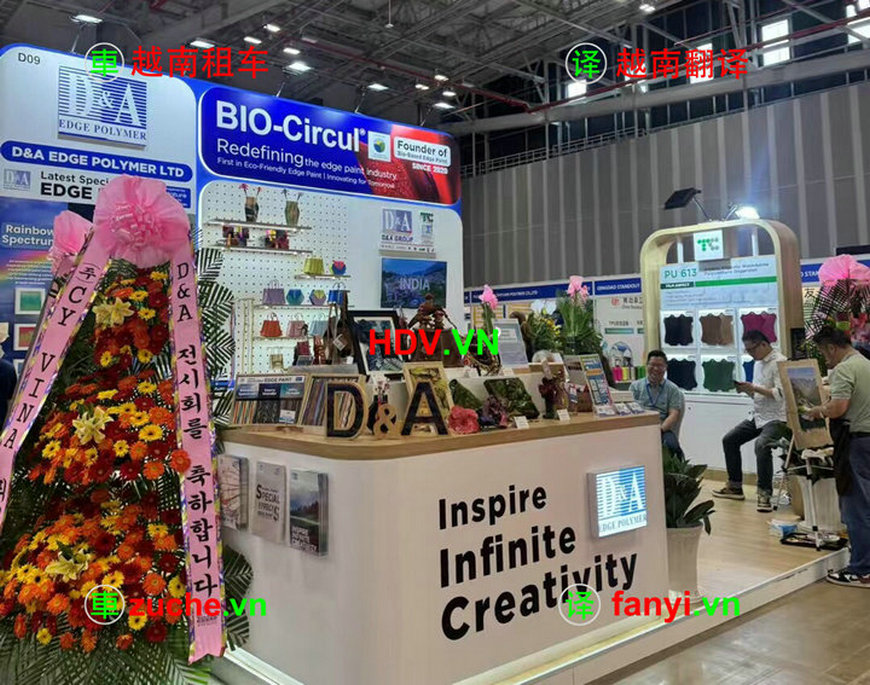
Ho Chi Minh City and its surrounding industrial zones (such as those in Dong Nai, Long An, and Binh Duong) are the epicenter of manufacturing. Factory visits are the most high-stakes scenario for an interpreter. They are not just about words; they are about safety, technical precision, and compliance.
1. Technical Terminology and Precision
Factory visits involve a vocabulary that is rarely found in standard textbooks. Terms like "injection molding," "lean manufacturing," "yield rate," "hardware calibration," and "compliance standards" must be translated with 100% accuracy.
A specialized Ho Chi Minh business interpreter with experience in manufacturing will already possess a glossary of industrial terms. They understand the difference between a "mold" (khuôn) and a "die" (khuôn dập), and they can translate safety warnings instantly and effectively. When hiring a Ho Chi Minh interpretation company, you must ensure they provide interpreters with technical backgrounds or specific industry experience.
2. Safety and Compliance
In a factory environment, misinterpretation can be dangerous. Understanding safety protocols and emergency procedures is vital. A professional interpreter facilitates a safety briefing that is clear, unambiguous, and ensures all parties understand the regulations of the Vietnam factory.
3. Quality Control and Negotiation
During a walkthrough, clients often spot defects or suggest process improvements. A Chinese-English-Vietnamese interpretation in Ho Chi Minh service allows for immediate feedback.
· The Western Engineer explains a change in English.
· The Chinese Manager explains how the machinery (likely imported from China) needs adjusting.
· The Vietnamese Supervisor clarifies what is feasible on the floor.
Without a trilingual interpreter, this conversation would take three times as long and likely result in misunderstandings about who is responsible for the adjustment.
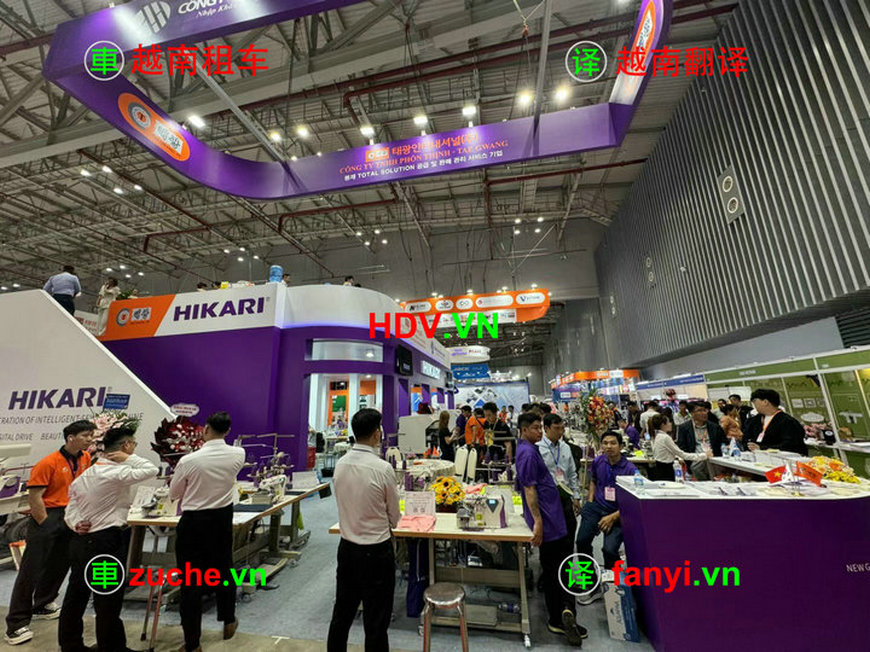
Part 2: Excellence in Business Meetings and Negotiations
While factory visits are about operations, meetings are about relationships and contracts. In Ho Chi Minh City, business is conducted with a unique blend of Asian hospitality and socialist formality. Understanding the cultural context is just as important as the language.
1. The "Face" Concept and Cultural Mediation
Both Chinese and Vietnamese cultures place a heavy emphasis on "Face" (saving face, giving face). A direct "No" is often avoided; instead, one might hear "We will consider it" or "That might be difficult."
An experienced Ho Chi Minh business interpreter does not just translate these words; they interpret the intent. They will signal to you non-verbally or through subtle phrasing that the deal is stalling or that your counterpart is unhappy. They act as a bridge, softening harsh Western directness to fit Asian business etiquette, and translating subtle Asian politeness into clear English for the Western party.
2. Legal and Contractual Nuances
Drafting contracts in HCMC involves legal systems that may differ from your home country. When you find an interpreter in Ho Chi Minh for contract negotiation, you need someone who understands legal terminology. They must ensure that the English, Chinese, and Vietnamese versions of a document align.
Many international disputes arise from mistranslations in the definition of terms or scope of work. A specialized Ho Chi Minh translation company usually offers both interpretation (spoken) and translation (written) services. For contract signing ceremonies, having a native-level trilingual interpreter present is a powerful risk mitigation strategy.
3. Boardroom Dynamics
In a boardroom setting, the speed of the conversation is fast. If you hire a sequential interpreter (who speaks after the sentence is finished), the meeting duration doubles. However, for trilingual meetings, a simultaneous or whispered interpretation setup is often more effective.
Professional Ho Chi Minh interpretation agencies can provide portable equipment for simultaneous interpretation, allowing the English-speaking and Chinese-speaking executives to listen to the Vietnamese speaker in real-time in their own language, while the interpreter effortlessly switches languages to ensure everyone is on the same page.
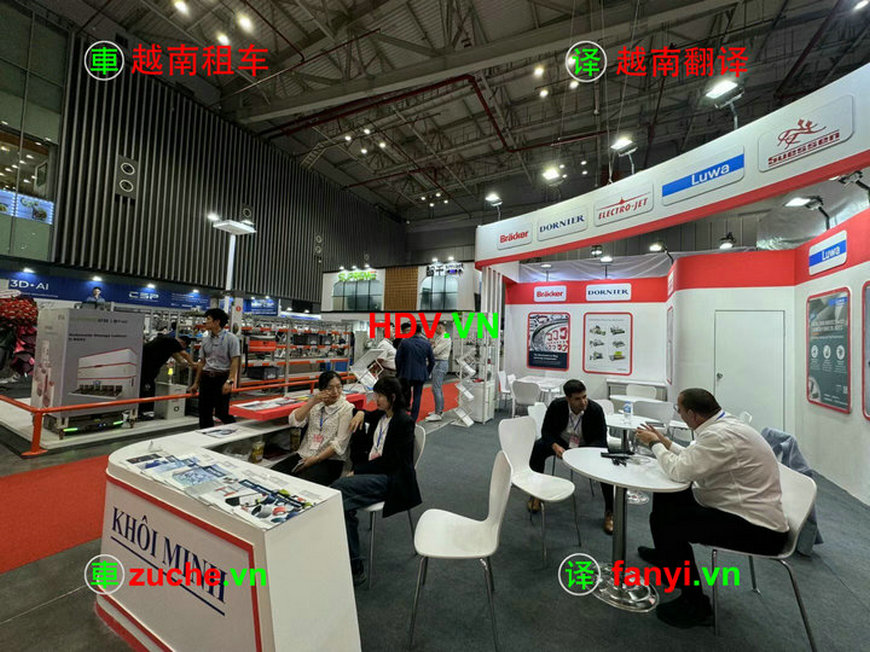
Part 3: How to Choose the Right Agency
When searching for "interpreter in Ho Chi Minh" or "Ho Chi Minh translation company," you will likely be overwhelmed by options. However, not all services are created equal. Here is how to vet a potential provider.
1. Verify the Trilingual Proficiency
Many agencies claim to offer Chinese, English, and Vietnamese services, but they might only have separate interpreters for each language. You need a single individual or a perfectly synchronized team capable of the trilingual pivot.
Actionable Tip: During the interview process, conduct a test call. Ask them to listen to a sentence in Chinese and translate it to English, then to Vietnamese. Check for fluency, not just accuracy. The best Chinese-English-Vietnamese interpreter in Ho Chi Minh will flow naturally between languages.
2. Industry Experience
Do not hire a generalist for a technical factory visit. Ask the Ho Chi Minh interpreter agency about the interpreter’s background. Have they worked in footwear? Electronics? Heavy machinery?
· For Factory Visits: You need interpreters with a grasp of supply chain logistics and engineering.
· For Business Meetings: You need interpreters with a grasp of finance, law, and marketing.
3. Local Knowledge in Ho Chi Minh City
A great interpreter is also a great fixer. They know the city. They know how long it takes to get from District 3 to the Saigon Hi-Tech Park (SHTP) to avoid traffic jams. They know the etiquette for greeting local officials. They know the best venues for business dinners that offer privacy for sensitive discussions. This local knowledge is what distinguishes a Ho Chi Minh translation company from a simple online freelancer.
4. Confidentiality and Professionalism
Business meetings and factory visits often involve trade secrets, intellectual property, and financial data. Reputable Ho Chi Minh interpretation companies will enforce strict NDAs (Non-Disclosure Agreements). They will dress appropriately for the occasion (business formal for meetings, safety gear for factories) and adhere to a code of ethics that forbids them from taking sides or soliciting business from your clients.
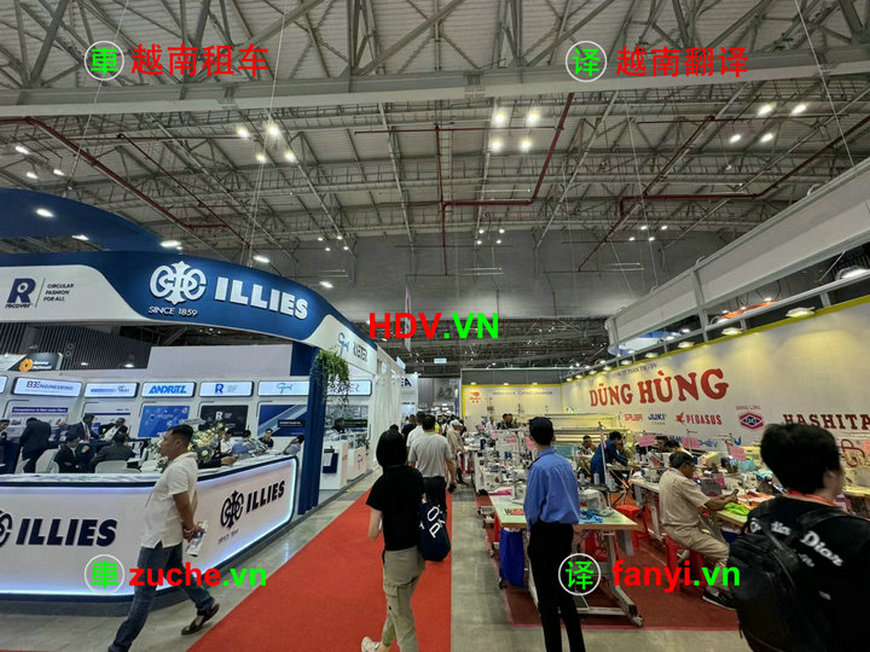
Part 4: The Cost vs. Value Proposition
When you hire an interpreter in Ho Chi Minh City, you will notice rates vary significantly. Freelancers might be cheaper, but they carry higher risk. Agency rates are higher, but they provide reliability.
What Goes Into the Cost?
· Language Pairs: Trilingual interpreters (Chinese-English-Vietnamese) are rarer and thus command higher rates than bilingual ones.
· Complexity: Technical interpretation for engineering requires higher pay than general conversation.
· Duration: Full-day factory visits usually incur a flat day rate, often including travel expenses.
· Equipment: If you need simultaneous interpretation (headsets), the agency provides the hardware, which adds to the cost.
The Return on Investment (ROI)
Consider the cost of a failed negotiation or a production error due to a misunderstanding. If a shipment of goods is manufactured incorrectly because the specifications were lost in translation, the cost is not just the interpreter's fee—it is the cost of scrapping materials, shipping, and lost time.
Investing in a high-quality Ho Chi Minh business interpreter is an insurance policy for your business operations. It ensures that your factory visits are productive, your contracts are airtight, and your relationships with partners are cordial.
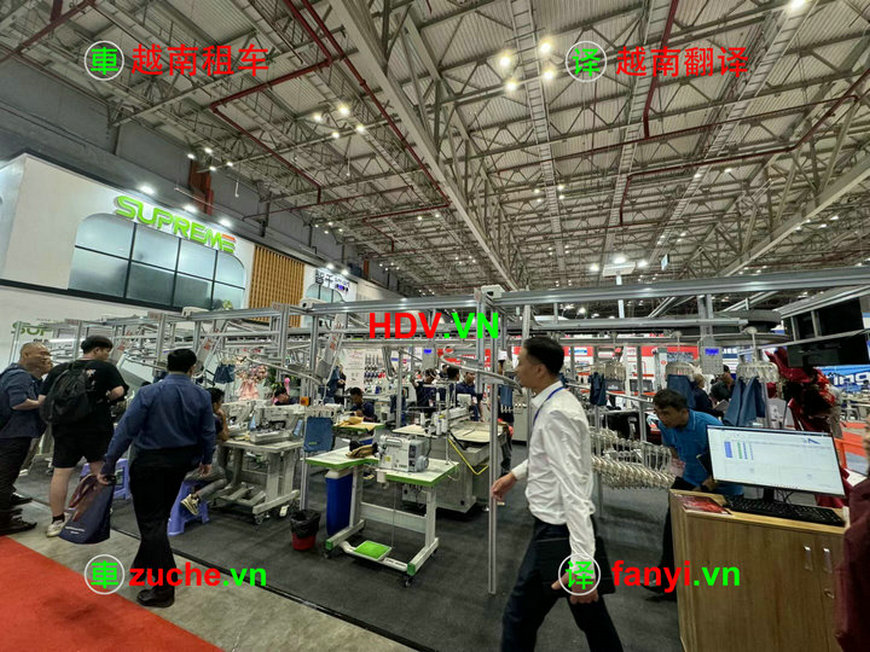
Part 5: The Anatomy of a Perfect Interpretation Session
To ensure your meeting or factory visit goes smoothly, preparation is key. The best Ho Chi Minh interpretation agency will provide a briefing session before the event.
Preparation Phase
· Sharing Materials: Provide the agenda, technical drawings, presentations, and product specifications in advance.
· Cultural Briefing: Use the interpreter to learn about the other party's expectations. For example, if visiting a Vietnamese factory, offering a small gift from your home country (or China) is a good luck gesture that the interpreter can help coordinate.
· Logistics: Coordinate the pickup location and timing. If the factory is in an industrial park, a local interpreter can help you navigate the security checkpoints.
Execution Phase
· Introduction: The interpreter introduces both parties, ensuring titles and designations are correctly translated (e.g., "Vice President of Operations" translated correctly into Chinese and Vietnamese hierarchy equivalents).
· The Meeting: The interpreter manages the flow. If you are using a trilingual interpreter, they will often use "code-switching" to keep the pace fast. If a Westerner asks a question, the interpreter might answer the Chinese party directly in Mandarin and then summarize the answer for the Westerner in English, cutting out the middleman and saving time.
· The Factory Floor: The interpreter ensures everyone is wearing PPE (Personal Protective Equipment) and acts as a safety watchdog, translating warnings instantly.
Part 6: The Future of Business in Ho Chi Minh City
As Vietnam continues to position itself as a "China + 1" manufacturing destination, the demand for high-level trilingual communication will skyrocket. Ho Chi Minh City is becoming a hub for R&D and high-tech manufacturing, not just low-cost labor.
For investors and business managers, the ability to communicate directly with the local workforce and technical experts from Asia is a competitive advantage. Relying on translated documents or attempts to use translation apps is no longer sufficient for high-stakes manufacturing.
The interpreter is no longer just a "language tool"; they are a strategic partner. They are the project managers of communication, ensuring that the technical vision of the West, the engineering capabilities of China, and the labor and resources of Vietnam align perfectly.
Conclusion
Finding the right linguistic support is a critical step in your business journey in Vietnam. Whether you need a Chinese-English-Vietnamese interpreter in Ho Chi Minh for a critical audit, or a Ho Chi Minh business interpreter for a high-level negotiation, the quality of the interpreter determines the quality of your outcomes.
By choosing a professional Ho Chi Minh interpretation company, you gain access to vetted experts who understand the nuances of trilingual business, possess technical acumen, and are committed to your success.
Don't let language barriers cost you time, money, or reputation. In the fast-paced market of Ho Chi Minh City, clear communication is the foundation of successful collaboration. When you are ready to bridge the gap between your vision and your Vietnamese partners, ensure you have the best interpreter by your side.
Frequently Asked Questions (FAQ)
Q1: What is the difference between a translator and an interpreter?
A: A translator deals with written text, while an interpreter deals with spoken language in real-time. For factory visits and meetings, you need an interpreter. For contracts and manuals, you need a translator. Many Ho Chi Minh translation companies offer both services to ensure consistency across your project.
Q2: Can I find a freelancer who speaks all three languages?
A: It is possible to find a freelancer via networking, but it is risky. Freelancers may lack backup, equipment, or professional liability insurance. For important business meetings, it is safer to use a Ho Chi Minh interpreter agency that guarantees quality, reliability, and offers a replacement if the assigned interpreter falls ill.
Q3: Do I need a trilingual interpreter if I speak English and the factory manager speaks English too?
A: Even if the Vietnamese manager speaks some English, technical details often get lost. Furthermore, if there is a Chinese supplier involved, the "Chinglish" barrier can be confusing. A trilingual interpreter ensures that safety and technical specifications are understood with 100% accuracy, avoiding "yes" when the correct answer was "no."
Q4: How far in advance should I book an interpreter?
A: For Ho Chi Minh City, we recommend booking at least 3–5 business days in advance, especially for industrial visits. Trilingual interpreters are in high demand. For large conferences or simultaneous interpretation equipment, book 2–3 weeks in advance.
Q5: Can the interpreter travel to provinces like Binh Duong or Dong Nai?
A: Yes. Most professional interpreters in HCMC are willing to travel to surrounding industrial provinces. This usually involves a small surcharge for travel time, but it is standard practice. If you hire an interpreter in Ho Chi Minh City for a factory visit outside the city, clarify transport arrangements (whether they travel with your car or take a company van) upfront.
Các tin khác