How to Hire a Chinese-English-Vietnamese Interpreter in Beijing Without Costly Mistakes

Beijing is a city of immense scale and complexity. As the political, cultural, and economic heart of China, it attracts a massive influx of international business professionals, diplomats, and entrepreneurs. For the Vietnamese business community, Beijing represents a critical gateway to trade, investment, and technological cooperation. However, the linguistic barrier between Mandarin Chinese, English, and Vietnamese is steep and treacherous.
Whether you are attending a high-stakes trade negotiation in Chaoyang District, a technical factory inspection in the suburbs, or a legal deposition, the success of your endeavor hinges entirely on the linguistic bridge you build. The difference between a profitable contract and a catastrophic misunderstanding often comes down to the quality of your interpretation.
Finding a Chinese-English-Vietnamese interpreter in Beijing is not just about finding someone who speaks three languages. It requires finding a professional who understands the cultural nuances, possesses subject matter expertise, and adheres to strict professional ethics.
This guide is designed to help you navigate the intricate landscape of interpretation services in the capital. It will detail how to avoid costly mistakes, ensure you are working with a reputable Beijing interpretation company, and guarantee your message is conveyed with precision and cultural sensitivity.
The Unique Value of a Trilingual Interpreter
In the world of international business, the most common language pairings are often English-Chinese or English-Vietnamese. However, the specific triangle of Chinese-English-Vietnamese is a specialized niche. It is particularly crucial for the manufacturing, logistics, and agricultural sectors where Vietnam acts as a bridge or a competitor to Chinese supply chains.
When you hire an interpreter in Beijing who specializes in all three languages, you gain a unique advantage: versatility. You might have a meeting where the Vietnamese delegation speaks Vietnamese, the Chinese hosts speak Mandarin, and an observer from a third country—or a specific technical document—requires English.
A trilingual interpreter can handle the "relay" or switching between languages seamlessly without the need for multiple staff members. This not only reduces costs but also ensures consistency in terminology. For example, if a contract is drafted in English, negotiated in Chinese, but executed in Vietnamese, a trilingual professional ensures that the legal definitions remain consistent across all three versions.
Where to Look: Types of Interpretation Services in Beijing
Before you begin your search, you must understand the types of interpretation available. The requirements for a site visit are vastly different from a conference. Understanding this ensures you find an interpreter in Beijing who fits the specific format of your event.
1. Simultaneous Interpretation
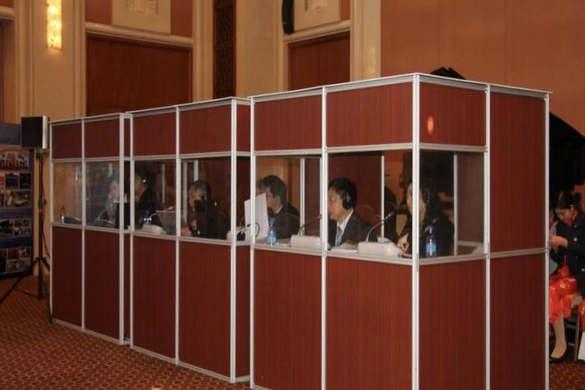
This is the most intensive form. The interpreter speaks simultaneously with the source speaker, usually from a soundproof booth via headphones. This is used for large conferences, summits, and large-scale training sessions. It is expensive and requires a team of at least two interpreters per language pair due to mental fatigue.
Note: A Chinese-English-Vietnamese interpretation in Beijing for simultaneous setups is rare and requires specialized equipment. You will likely need a Beijing interpretation company that has access to booths and technical staff.
2. Consecutive Interpretation
In this format, the speaker pauses every few sentences to allow the interpreter to convey the message. This is the standard for business meetings, site visits, and smaller gatherings. It requires a high level of note-taking skills and memory retention. Most business clients booking a Chinese-English-Vietnamese interpreter in Beijing will require this format.
3. Escort Interpretation
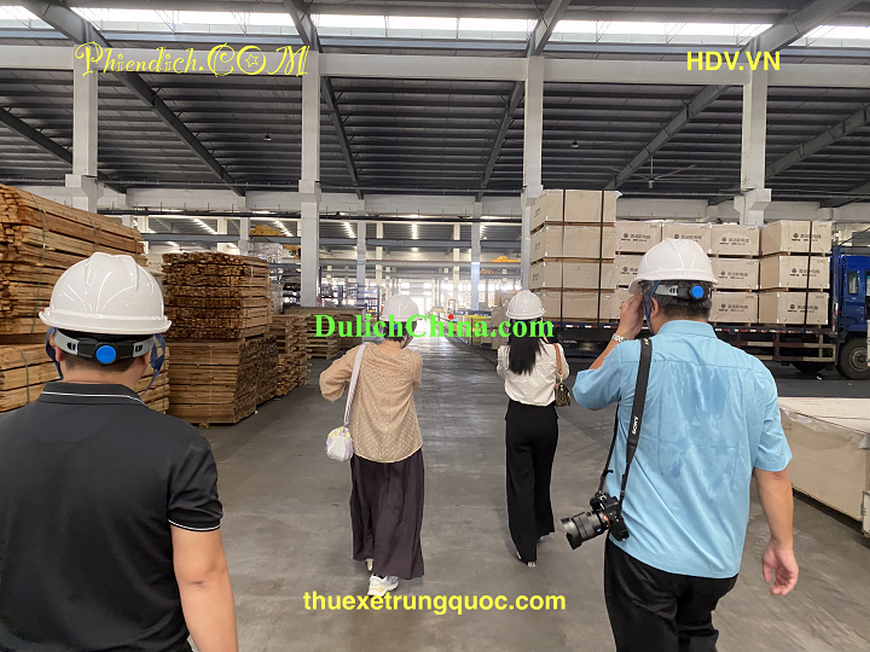
This is a less formal version of consecutive interpretation used for accompanying clients to exhibitions, factory tours, or city visits. While it is less technical than formal consecutive work, it requires the interpreter to be physically fit and culturally savvy, as they act as a de facto fixer and cultural guide during the day.
4. Whispered Interpretation (Chuchotage)
This is a hybrid method where the interpreter sits beside the client and whispers the translation. It is used in one-on-one meetings or small boardrooms where only one person needs to understand the foreign language.

The Risks of "Blind Booking" and Why It Leads to Costly Mistakes
The internet is full of freelancers advertising "cheap" rates. While budget is a valid concern, an unvetted Chinese-English-Vietnamese interpreter in Beijing can ruin your trip. Here are the specific pitfalls of hiring without due diligence.
The "Tourist" Translator Trap
Beijing has a large population of students and expats. You might be tempted to hire a Vietnamese exchange student or a Chinese tour guide who speaks basic Vietnamese. For a casual shopping trip, this is fine. For a business negotiation, it is a recipe for disaster.
Business Vietnamese and business Mandarin are highly specialized. A tourist-level speaker will lack the vocabulary to discuss supply chain logistics, tax law, or machinery specifications. They may also lack the professional gravitas required to command respect in a boardroom.
The Dialect Gap
While standard Vietnamese (Hanoi-based) and standard Mandarin (Beijing-based) are the languages of business, regional accents can be thick. An interpreter who has only studied formal Vietnamese may struggle with a heavy regional accent from the Mekong Delta, and vice versa. Professional agencies vet for accent comprehension, ensuring smooth communication regardless of the speaker's origin.
Confidentiality Breaches
Business deals often involve sensitive data, intellectual property, or financial figures. A freelance interpreter sourced from a classified ad may not adhere to Non-Disclosure Agreements (NDAs). A professional Beijing interpretation company will have strict confidentiality protocols and legal recourse if a breach occurs.
The Cultural Nuance Gap
Direct translation is often dangerous. Chinese business culture relies heavily on "saving face," indirect communication, and hierarchy. Vietnamese culture shares some similarities but also has distinct differences. A professional trilingual interpreter acts as a cultural bridge, warning you if a phrase is too aggressive for the Chinese context or if a Vietnamese idiom does not translate well. A novice will simply translate the words, potentially offending the counterpart and killing the deal.
How to Vet a Beijing Interpretation Company
If you are looking to avoid costly mistakes, working with an agency is usually safer than hiring a solo freelancer. But how do you separate a high-quality Beijing interpretation company from a mere lead-generation website?
1. Check Their Network and Specialization
Ask the company about their vetting process. Do they have a database of trilingual interpreters? Specifically, ask if they have interpreters who are proficient in English as a pivot language. A company that specializes in African or Southeast Asian markets is more likely to have the specific Chinese-English-Vietnamese interpreter in Beijing you need.
2. Request Interpreter Profiles (Not Just Quotes)
A legitimate agency will provide you with the CVs of the proposed interpreters. Look for:
· Education: Degrees in translation, interpretation, or linguistics from reputable universities (e.g., Beijing Foreign Studies University).
· Experience: Have they worked in your industry (e.g., agriculture, tech, construction)? How many years have they been working?
· Certifications: Look for CATTI (China Accreditation Test for Translators and Interpreters) certification. This is the gold standard in China.
3. Test Their Responsiveness
If a company takes 48 hours to answer an initial inquiry, they are likely disorganized. A top-tier Beijing interpretation company should be responsive, professional, and capable of handling last-minute requests. In Beijing, "tomorrow morning" is a common requirement; a good agency can mobilize quickly.
4. Verify the NDA
Before sharing sensitive information about your meeting, ask for their confidentiality agreement. If they hesitate, walk away.

The Step-by-Step Guide to Hiring
To ensure you hire an interpreter in Beijing successfully, follow this checklist. This process is designed to identify the best candidates and mitigate risk.
Step 1: Define Your Needs Specifically
Do not just say, "I need an interpreter." Be specific.
· Date and Time: Include exact hours. Interpretation is paid by the day (usually 8 hours), but overtime rates apply.
· Location: Beijing is huge. If the job is in Houshayu or Fangshan, the interpreter may charge a travel fee or decline the job if the commute is too long.
· Context: Is it a formal dinner? A factory floor? A courtroom? This dictates the type of interpreter and attire required.
· Topics: Provide an agenda or a list of technical terms. This allows the interpreter to prepare a glossary beforehand.
Step 2: Request Quotes from Multiple Agencies
Contact three to five agencies. The prices for a Chinese-English-Vietnamese interpreter in Beijing vary based on supply and demand. Typically, freelance rates range from 1,000 to 2,000 RMB per day for standard work, while specialized technical or simultaneous interpretation costs significantly more.
· Red Flag: If one quote is significantly lower than the rest, it is likely a student or a low-quality provider. Do not compromise on quality for the sake of a few hundred RMB when millions are at stake.
Step 3: The "Trial" Interview
For high-stakes negotiations, do not hire sight unseen. Request a 15-minute video call with the interpreter. This allows you to:
· Check their fluency in all three languages.
· Assess their presentation and interpersonal skills.
· Ask them directly about their familiarity with your industry.
Step 4: The Briefing Session
This is the most critical step. A professional Chinese-English-Vietnamese interpreter in Beijing will insist on a briefing.
· Share the Agenda: Provide the list of attendees and their titles.
· Explain the Goal: Are you trying to sign a contract today? Or is this just relationship building?
· Cultural Check: Ask the interpreter to monitor the body language of the Chinese party. They are your eyes and ears for what is unsaid.
Step 5: Contract and Payment
Always sign a formal contract. It should specify:
· Fees and payment methods.
· Working hours and overtime clauses.
· Cancellation policies.
· Confidentiality guarantees.

Cost Analysis: What is the Budget?
One of the biggest "costly mistakes" is having unrealistic budget expectations. In Beijing, you get what you pay for.
· Low-End (500 - 800 RMB/day): Usually students or part-time freelancers. Suitable for light escort duties, shopping, or non-critical social events. Do not use for legal or technical matters.
· Mid-Range (1,200 - 2,000 RMB/day): Professional freelancers or agency staff with 3-5 years of experience. Suitable for general business meetings, factory visits, and negotiations.
· High-End (2,500+ RMB/day): Expert interpreters with 10+ years of experience, certifications, and deep industry knowledge (e.g., legal experts, medical doctors). Suitable for arbitration, conferences, and high-level government meetings.
Note: For Chinese-English-Vietnamese interpretation in Beijing, prices may be slightly higher than standard English-Chinese pairs due to the relative scarcity of talent in this specific trilingual combination.

Common Scenarios and How to Handle Them
Let’s look at specific situations where you might need an interpreter and how to optimize the experience.
Scenario A: The Factory Inspection in the Suburbs
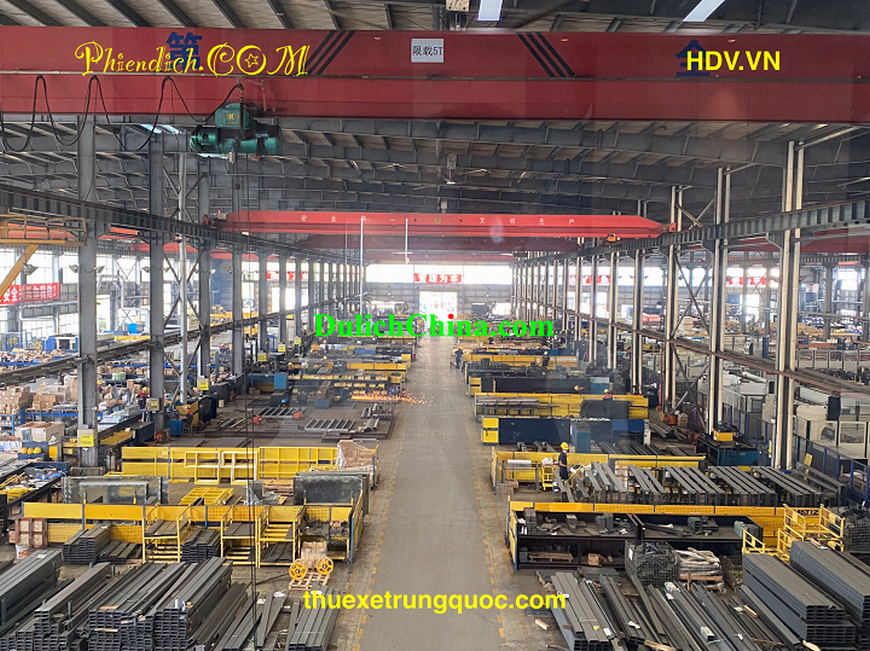
If you are visiting a manufacturing plant in Tongzhou or beyond, you need an escort interpreter. The challenge here is the noise and technical vocabulary.
· The Mistake: Hiring an interpreter who does not know the difference between "injection molding" and "blow molding."
· The Solution: Send the technical specifications to the Beijing interpretation company in advance so they can brief the interpreter. Ensure the interpreter is physically fit (factory tours involve walking) and dressed safely (closed-toe shoes).
Scenario B: The Legal Arbitration
If you are involved in a dispute and need to review contracts or talk to lawyers, the stakes are incredibly high.
· The Mistake: Relying on a business interpreter for legal proceedings.
· The Solution: You must hire an interpreter in Beijing who has specific training in legal terminology. A poor choice here can lead to a mistranslation of a clause that costs you the case.
Scenario C: The Trade Fair (Canton Fair or Beijing Exhibitions)
If you are exhibiting in Beijing, you need an interpreter who is energetic, outgoing, and good at sales.
· The Mistake: Hiring an introverted interpreter who translates literally.
· The Solution: When you find an interpreter in Beijing for an exhibition, test their sales ability during the interview. They need to be able to "sell" your product to Chinese buyers, not just translate your words.
Pro Tips for Working with Your Interpreter
Even with the best interpreter, the client is responsible for the success of the communication.
1. Speak in Short Bursts: Whether in simultaneous or consecutive mode, do not speak in long, rambling paragraphs. Pause every few sentences to allow the interpreter to process and relay the information.
2. Avoid Idioms and Slang: Unless the interpreter is highly skilled in colloquialisms, avoid sports metaphors or cultural references that do not translate. Be direct and clear.
3. Look at the Audience, Not the Interpreter: When speaking, look at the person you are talking to, not the interpreter. This builds trust and engagement.
4. Trust the Cultural Advice: If your interpreter suggests a different phrasing or warns you that a topic is sensitive in Beijing, listen to them. They know the local terrain better than you do.
The Post-Event: Debriefing and Future Planning
The work does not end when the meeting finishes.
· The Debrief: Ask your Chinese-English-Vietnamese interpreter in Beijing for a debriefing after the meeting. What was the mood? Did they sense hesitation from the other side? Did they notice any cultural misunderstandings?
· The Follow-up: If you need to send an email in Chinese or Vietnamese after the meeting, ask if the interpreter or agency offers written translation services. Having the same person handle both the spoken and written word ensures consistency.
Conclusion: Invest in Clarity
In the dynamic environment of Beijing, doing business with Chinese and Vietnamese partners is an exercise in managing complexity. Language is the primary tool for managing that complexity.
The risk of hiring a subpar interpreter is not just the fee you pay them; it is the potential loss of a contract, a damaged business relationship, or a legal misunderstanding that could have been avoided. By choosing a reputable Beijing interpretation company, vetting the specific interpreter, and preparing thoroughly, you eliminate these risks.
Whether you need to hire an interpreter in Beijing for a single crucial meeting or a month-long project, prioritize quality, professionalism, and cultural nuance. When you decide to find an interpreter in Beijing who specializes in the Chinese-English-Vietnamese triad, you are investing in the most important asset of your international strategy: clear, confident communication.
Do not leave your words to chance. Choose a professional Chinese-English-Vietnamese interpreter in Beijing and ensure your business voice is heard correctly, the first time.
Frequently Asked Questions (FAQ)
1. Can I hire a Chinese-English-Vietnamese interpreter in Beijing for a single hour?
Most professional interpreters and agencies work on a minimum half-day or full-day basis. While you can hire for an hour, the rate charged will typically reflect a full day's work. However, for a very quick meeting, some freelancers may negotiate a half-day rate.
2. How far in advance should I book?
For standard business meetings, book at least 1-2 weeks in advance. For high-season months (spring and autumn trade fairs) or for rare language combinations like Chinese-English-Vietnamese, book 3-4 weeks in advance. Last-minute requests are possible but command a premium.
3. Do I need to pay for the interpreter's travel expenses?
Yes, generally. If the meeting is outside the central business district (e.g., in a far suburb of Beijing), the client is responsible for travel costs (taxi or subway fare) or a flat travel allowance. This should be agreed upon before the contract is signed.
4. Can the interpreter double as a translator (written translation)?
Yes, but distinct skills are required for interpretation (oral) and translation (written). Many professionals do both, but if you have large volumes of documents, ask the agency for a separate translation quote, as the interpreter may not have time to prepare documents while preparing for the meeting.
5. Is it better to hire a freelancer or a company?
For short-term, low-stakes tasks, a freelancer may be cheaper. However, for business-critical meetings, a Beijing interpretation company is safer. They provide backup interpreters in case of illness, have verified credentials, and offer professional contracts that protect you legally.
6. What if the interpreter gets sick on the day of the meeting?
This is a valid fear. Reputable agencies have a "backup plan." When you book with a Beijing interpretation company, ask them about their emergency replacement policy. A good agency will have a standby interpreter who has been briefed on your project.
7. Can interpreters work overtime?
Yes, but overtime rates are usually 1.5x or 2x the hourly rate. Always confirm the daily working hours (e.g., 8 hours) and the overtime rate in the contract.
Các tin khác