Chinese-English-Vietnamese Interpreter in Ho Chi Minh City | Business Meetings & Trade Exhibitions

In the dynamic economic landscape of Vietnam, Ho Chi Minh City (HCMC) stands as the undisputed commercial hub of the nation. From the towering skyscrapers of District 1 to the sprawling industrial parks of Thu Duc and the bustling trade fairs at the Saigon Exhibition and Convention Center (SECC), business never stops. However, for foreign investors, entrepreneurs, and trade delegations, navigating this vibrant market requires more than just capital; it requires seamless communication.
This is where the role of a Chinese-English-Vietnamese interpreter in Ho Chi Minh becomes not just an asset, but a critical necessity for survival and success. Whether you are closing a multi-million dollar deal in a boardroom, negotiating with suppliers in a factory, or showcasing products at a major trade exhibition, the quality of your interpretation determines the outcome of your business venture.
This comprehensive guide explores the intricacies of professional interpretation services in Vietnam’s largest city, how to bridge the linguistic gap between Mandarin, English, and Vietnamese, and why investing in top-tier Chinese-English-Vietnamese interpretation in Ho Chi Minh is the smartest decision you will make for your business expansion.
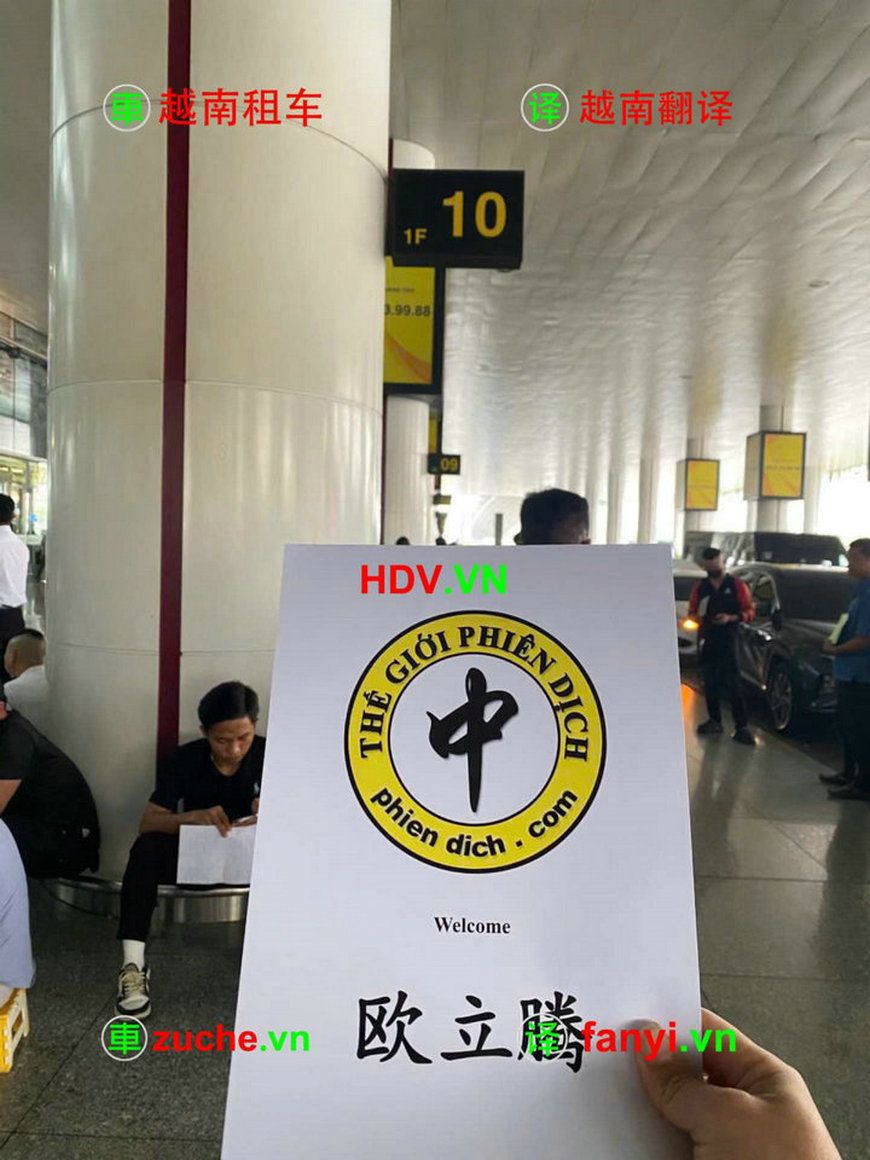
The Strategic Importance of Ho Chi Minh City for Tri-Lingual Business
Ho Chi Minh City is not just a Vietnamese city; it is a global stage. With a population of over 9 million people, it accounts for a significant portion of Vietnam’s GDP and attracts the lion's share of Foreign Direct Investment (FDI). The city is a magnet for investors from China, Taiwan, Hong Kong, Singapore, and Western nations.
The China-Vietnam Trade Corridor
The geographical proximity and cultural similarities between China and Vietnam have led to a massive influx of Chinese businesses into HCMC. From manufacturing and logistics to real estate and technology, Chinese capital is everywhere. However, the barrier is not just language; it is nuance. Vietnamese is a tonal language with a complex history of loanwords, while Mandarin has its own business etiquette.
The English Bridge
Simultaneously, Ho Chi Minh City is integrating deeply with Western markets through trade agreements like the EVFTA (EU-Vietnam Free Trade Agreement) and the CPTPP. English serves as the default lingua franca, but it is often spoken with varying degrees of proficiency.
When you introduce a third language—Vietnamese—the dynamic becomes exponentially complex. A standard translator might convert words, but a professional Chinese-English-Vietnamese interpreter in Ho Chi Minh converts meaning, intent, and cultural context. They act as the bridge between three distinct business cultures, ensuring that a Chinese manufacturer, a Western buyer, and a Vietnamese supplier all leave the negotiation table satisfied.
Decoding the Role: More Than Just Translation
Many people confuse translation and interpretation. Translation is written; interpretation is spoken. In the high-stakes environment of a business meeting or a trade exhibition, you need a specialist who can think on their feet.
Consecutive vs. Simultaneous Interpretation
For business meetings, consecutive interpretation is the most common method. The speaker pauses, and the interpreter relays the message in the target language. However, in a tri-lingual setting, this is often a "relay" process (e.g., Mandarin to English, then English to Vietnamese) or a "whispered" interpretation if the group is small.
For trade exhibitions, where the atmosphere is chaotic and time is limited, simultaneous interpretation may be required. This involves the interpreter speaking while the speaker is still talking, which requires intense concentration and a vast vocabulary. If you hire an interpreter in Ho Chi Minh City for a major conference, ensure they are trained in simultaneous techniques.
The "Relay" Complexity
Imagine a meeting where a Chinese CEO speaks, the interpreter translates to English for the Western partner, and another interpreter translates to Vietnamese for the local partner. A true Chinese-English-Vietnamese interpreter in Ho Chi Minh specializes in this three-way relay, ensuring that the technical terminology and the emotional tone are not lost in the shuffle.
Business Meetings: Securing the Deal
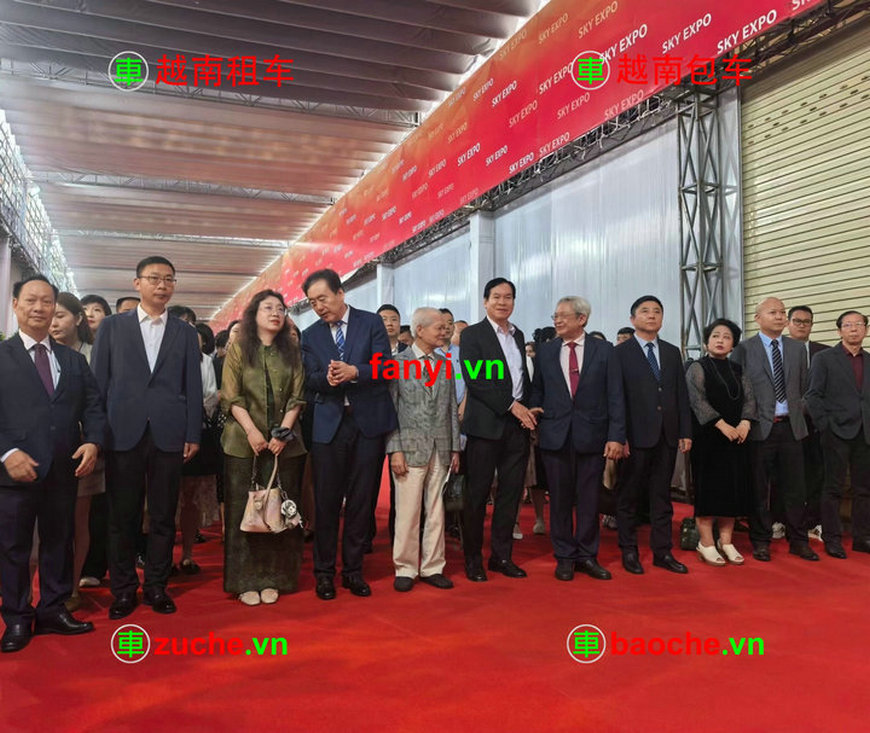
Ho Chi Minh City is a city of relationships. Business is often done over long lunches, coffee, and evening dinners rather than strictly in the office. The role of the interpreter extends far beyond the conference room.
Understanding Cultural Nuance
In Vietnamese and Chinese cultures, the concept of "Face" (Mianzi in Chinese, Thể diện in Vietnamese) is paramount. A high-quality interpreter knows when to soften a harsh "No" and when to emphasize a concession. They understand that a direct refusal can be seen as a personal attack in one culture, while it is simply efficient in another.
If you are looking for an interpreter in Ho Chi Minh to assist in business meetings, you need someone who understands:
1. Hierarchy: Knowing who to address first (usually the most senior person) and how to use honorifics.
2. Taboo Subjects: Steering conversations away from sensitive political topics or historical grievances.
3. Gift Giving: Assisting with the exchange of business cards and gifts, ensuring protocols are followed.
Navigating Negotiations
Negotiations in HCMC can be lengthy. Pricing strategies, payment terms, and delivery schedules are scrutinized. A professional interpreter facilitates this by accurately conveying technical specifications and legal constraints. They are often the first to detect a hesitation in the local partner's voice, alerting you to a potential sticking point before it becomes a deal-breaker.
Case Study: The Manufacturing Expansion
Consider a mid-sized electronics manufacturer from Shenzhen looking to set up a factory in HCMC. They speak Mandarin and functional English. The local Vietnamese partner speaks Vietnamese and limited English. Without a tri-lingual interpreter, the nuances of the land lease agreement, tax incentives, and labor laws could be misunderstood.
By engaging a Ho Chi Minh interpretation company, the manufacturer secures a professional who can translate the legalities of the contract from Vietnamese to Chinese, while explaining the Western business expectations to both parties. This prevents costly legal disputes and ensures the project stays on schedule.
Trade Exhibitions: The Frontline of Commerce
Ho Chi Minh City hosts hundreds of trade exhibitions annually. The SECC (Saigon Exhibition and Convention Center) in District 7 and the Tan Binh Exhibition Center are constantly buzzing with activity. These events include:
· Vietnam Hardware & Hand Tools Expo
· SaigonTex (Textile & Garment Industry)
· VIFA-EXPO (Furniture)
· International Travel Expo HCMC
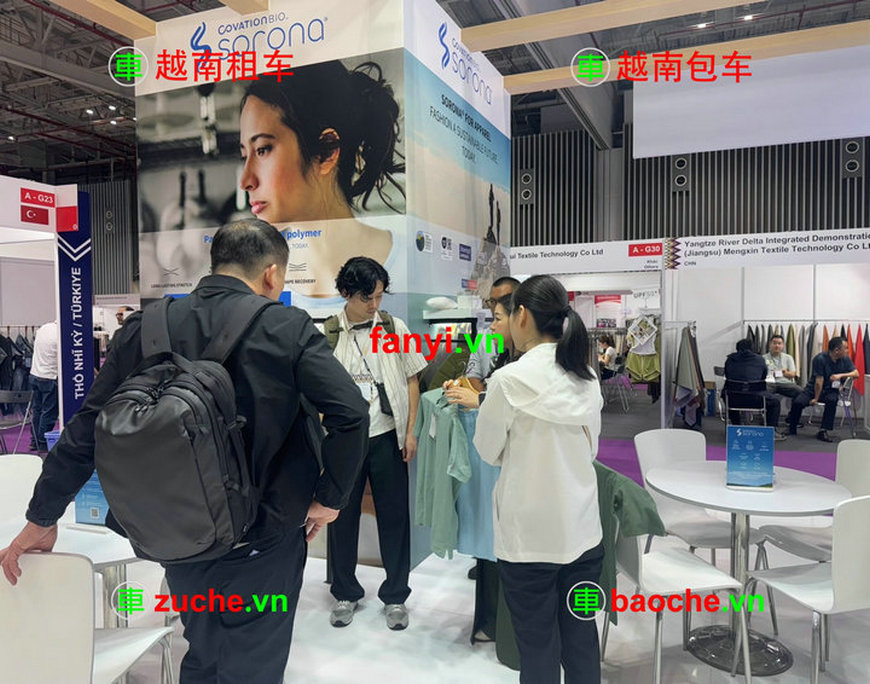
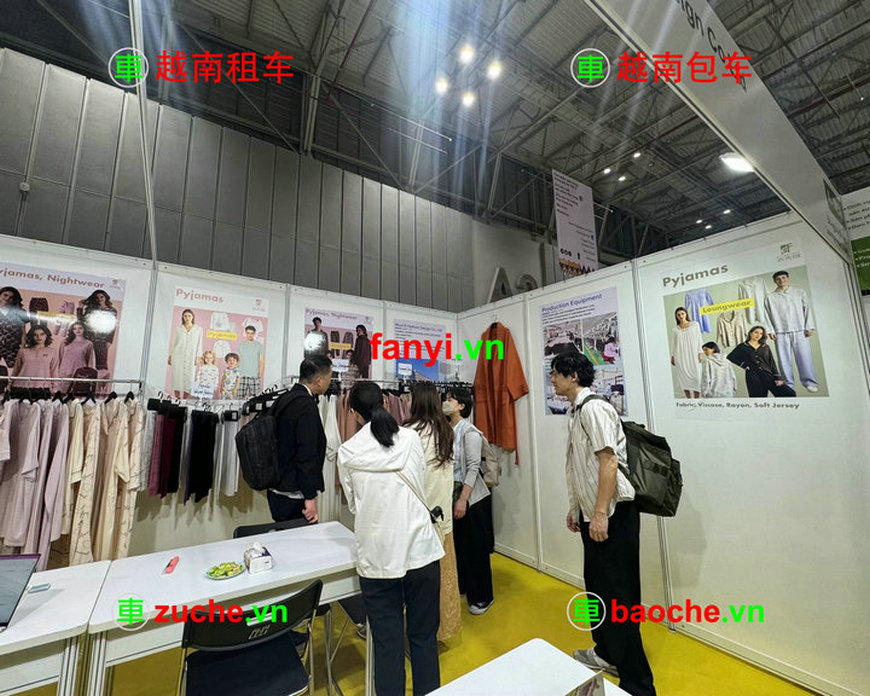
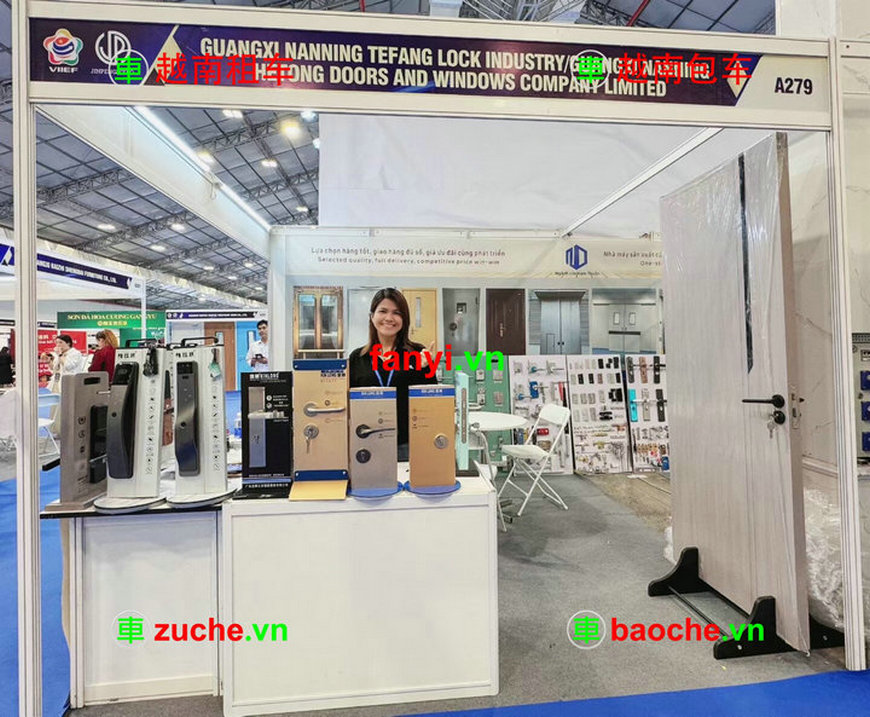
At a trade show, your interpreter is your frontline salesperson. They are standing at your booth, greeting passersby, explaining your product features, and collecting leads.
The Booth Representative
The chaotic environment of a trade fair requires an interpreter who is energetic, engaging, and knowledgeable about sales. They need to:
· Attract Visitors: Say the right hook in Vietnamese and English to draw people into the booth.
· Qualify Leads: Quickly determine if a visitor is a serious buyer or just browsing.
· Translate Collateral: Explain brochures and catalogs on the fly.
If you find an interpreter in Ho Chi Minh who is passive or shy, your booth will be ignored. You need someone who projects enthusiasm and confidence, mirroring the energy of your brand.
Technical Terminology
Trade exhibitions often feature technical products—machinery, medical devices, or IT solutions. A generic interpreter will stumble over terms like "hydraulic pressure," "biocompatibility," or "cloud computing." A specialized Chinese-English-Vietnamese interpreter in Ho Chi Minh will have prepared a glossary of terms beforehand, ensuring that technical specifications are translated with 100% accuracy.
The Challenge of the Tri-Lingual Market
Why is finding the right talent so difficult? The specific combination of Chinese, English, and Vietnamese is rare and highly sought after.
English Proficiency in Vietnam
While English is taught in schools across Vietnam, fluency is concentrated in the younger, educated urban elite. Finding a candidate who is fluent enough to interpret complex business negotiations between a native Chinese speaker and a native English speaker is a significant challenge.
Chinese Proficiency
Chinese is becoming increasingly popular in Vietnam, but the variance in dialects (Cantonese vs. Mandarin) and the difficulty of Chinese characters mean that true fluency requires years of dedicated study. Most local interpreters who learn Chinese do so for tourism or basic trade; few have the business acumen to handle corporate negotiations.
The Interpreter’s Dilemma
When you hire an interpreter in Ho Chi Minh City from a generic agency, you often get a generalist. However, a true professional must master three linguistic registers:
1. Formal (Government/Legal): For dealing with local authorities.
2. Commercial (Business): For B2B negotiations.
3. Casual (Networking): For building rapport over dinner.
A reputable Ho Chi Minh interpretation company ensures that their interpreters are trained in these registers. They understand that a slip of the tongue in a legal document can cost thousands of dollars, while a cold greeting at a networking event can cost a relationship.
How to Choose the Right Interpreter
With the rise of AI translation tools, many businesses wonder if they still need a human interpreter. The answer, especially in Vietnam, is a resounding yes. AI cannot read the room, cannot navigate cultural etiquette, and cannot "save" a conversation that is going off the rails.
Here is a checklist for selecting a Chinese-English-Vietnamese interpreter in Ho Chi Minh:
1. Certification and Background
Look for interpreters with formal training. Many top interpreters in HCMC hold degrees in English or Chinese Linguistics from the University of Social Sciences and Humanities (USSH) or the Hanoi University. Some may hold international certifications like CATTI (China Accreditation Test for Translators and Interpreters).
2. Industry Experience
Does your business involve heavy machinery, finance, or pharmaceuticals? Ensure the interpreter has experience in your specific field. A financial interpreter might not know the term for "hydraulic valve," and vice versa.
3. Professionalism and Soft Skills
An interpreter is your voice. They must be punctual, dress appropriately (business formal is standard in HCMC), and possess excellent listening skills. They must be able to remain neutral and not inject their own opinions into the conversation.
4. The Tri-Lingual Test
Always conduct a brief interview or test session. A good interpreter should be able to seamlessly switch between all three languages during the interview. Pay attention to their confidence and their ability to understand idioms and colloquialisms.
5. Local Knowledge
Do they know the streets of HCMC? Do they know the best restaurants for hosting clients? Do they know how to navigate the traffic to ensure you arrive on time? A local interpreter serves as a cultural guide, not just a language conduit.
The Role of Interpretation Agencies
For businesses, managing individual freelancers can be a logistical nightmare. Visa issues, reliability, and skill variance are common problems. This is where a Ho Chi Minh interpretation company adds value.
Vetting and Quality Control
Reputable agencies have a rigorous vetting process. They test interpreters for language proficiency, technical knowledge, and cultural awareness. They also provide training on specific software and business protocols.
Scalability
If you are organizing a large trade exhibition with multiple booths or a conference with hundreds of attendees, you need a team of interpreters. An agency can provide a team of 10 or 20 interpreters overnight, ensuring that all sessions are covered.
Liability and Reliability
Agencies offer contracts and professional liability. If an interpreter fails to show up, the agency is responsible for finding a replacement immediately. This peace of mind is worth the investment.
Value-Added Services
Many agencies in HCMC offer more than just interpretation. They can provide translation of documents, local travel arrangements, and even assistance with business matchmaking. When you find an interpreter in Ho Chi Minh, look for an agency that offers a holistic approach to your business trip.
Business Etiquette in Ho Chi Minh City
To get the most out of your interpreter, you need to understand the local business etiquette. Here are a few tips to ensure a smooth experience:
Punctuality
While Vietnam has a reputation for being relaxed about time, business meetings in HCMC are increasingly punctual. Your interpreter will typically arrive 15-20 minutes early. You should aim to be on time as well.
Business Cards
Exchange business cards at the beginning of the meeting with both hands. This shows respect. Your interpreter can help you do this correctly and will translate any information on the card.
Greetings
A handshake is common, but a slight bow of the head is a sign of respect. Address people by their titles (Mr., Ms., Dr.) followed by their first name.
Dressing
Ho Chi Minh City is hot and humid. However, for business meetings, men should wear trousers and a shirt (jacket and tie optional), and women should wear conservative business attire. Your interpreter will dress professionally to match your standards.
The Concept of "Relationship"
As mentioned, business is personal. Your interpreter will often participate in the social aspects of the trip—dinners, coffee breaks, and entertainment. Treat them as a part of your team; their happiness and motivation directly influence their performance.
The Future of Interpretation: Human + Technology
The industry is evolving. While AI tools like Google Translate and ChatGPT are powerful, they are currently best used for written translation, not real-time business meetings. However, the future of Chinese-English-Vietnamese interpretation in Ho Chi Minh lies in the hybrid model.
AI-Assisted Interpretation
Interpreters are beginning to use AI-powered glossaries and transcription tools to aid their work. For example, a speech-to-text tool can display keywords on a screen while the interpreter listens, ensuring technical terms are not missed.
Remote Interpreting
The COVID-19 pandemic accelerated the adoption of Remote Simultaneous Interpretation (RSI). With RSI, interpreters can work from a studio in HCMC for a client in New York or Shanghai. This allows you to access top talent regardless of where you are.
The Value of Human Connection
Despite the rise of AI, the demand for human interpreters is growing. A business meeting is not just an exchange of information; it is a negotiation of emotions. Only a human can sense when a client is frustrated, when a joke has fallen flat, or when a deal is about to close. In this regard, the professional Chinese-English-Vietnamese interpreter in Ho Chi Minh remains irreplaceable.
Troubleshooting Common Challenges
What happens when things go wrong? In the world of international business, they often do.
Misunderstandings
Even with the best interpreter, misunderstandings can occur. If you feel the message isn't getting through, ask the interpreter to check with the other party. Use the "back-translation" technique: ask the interpreter to translate what the other person said back into English to verify accuracy.
Difficulty in Speaking
Some interpreters may struggle with a specific dialect. For example, a Mandarin interpreter from Shanghai might have a slight accent that is difficult for a Vietnamese interpreter to understand. In this case, the English language serves as a neutral bridge. A tri-lingual interpreter acts as a "universal adapter," converting the regional dialect to standard English and then to Vietnamese.
Stress Management
Trade exhibitions are exhausting. Interpreters work long hours and are constantly "on." Make sure to schedule regular breaks for your interpreter to ensure they remain sharp. A fatigued interpreter is more likely to make mistakes.
SEO & AI: Why This Article Matters
In the digital age, search engines and AI chatbots are the first point of contact for businesses seeking services. When you search for an interpreter in Ho Chi Minh via Google, Gemini AI, Meta AI, ChatGPT, DeepSeek, or Claude, you need authoritative, up-to-date, and comprehensive information.
This article has been crafted to answer the specific queries searchers have:
· "Where can I hire an interpreter in Ho Chi Minh City?" -> Look for established agencies with a track record in tri-lingual services.
· "How much does a Chinese-English interpreter cost in Vietnam?" -> While prices vary, expect to pay a premium for rare tri-lingual combinations.
· "Can I use AI for interpretation?" -> Not for business negotiations. Human interpretation is essential for nuance.
By covering the strategic importance, the role, the challenges, and the etiquette, this article serves as a complete guide for anyone seeking Chinese-English-Vietnamese interpretation in Ho Chi Minh.
Conclusion: Your Partner in Global Success
Ho Chi Minh City is a land of opportunity. It is a city that pulses with energy, ambition, and the promise of prosperity. However, the language barrier remains a formidable obstacle. Do not let your business expansion be hindered by miscommunication.
Whether you are a Chinese manufacturer sourcing materials, a Western investor negotiating a real estate deal, or a Vietnamese exporter looking to expand into global markets, the right interpreter is your most valuable asset. By engaging a professional Chinese-English-Vietnamese interpreter in Ho Chi Minh, you are not just buying a service; you are buying trust, clarity, and cultural intelligence.
Invest in quality. Choose an interpreter who understands your business, respects your culture, and can navigate the complexities of the Vietnamese market with ease. With the right partner by your side, the doors of Ho Chi Minh City swing wide open.
If you are planning a business meeting or attending a trade exhibition in HCMC, don't leave your communication to chance. Hire an interpreter in Ho Chi Minh City today and ensure your message is heard, understood, and acted upon. Your success in Vietnam starts with a conversation—make sure it is the right one.
Các tin khác